
Mayan Bean-caper
Zygophyllum mayanum
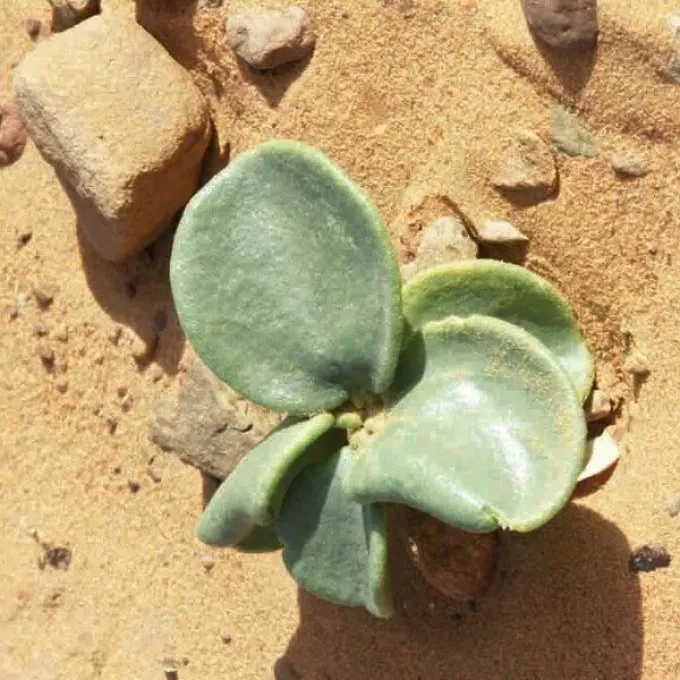
Description
Sowing dates
The Mayan Bean-caper (Zygophyllum mayanum) belongs to the Zygophyllaceae family, which is well-known for its extreme resilience in arid and saline environments. Propagation is primarily achieved through seeds, which exhibit high viability when sown in appropriate conditions.
Seeds require scarification or specific hydration techniques before sowing to overcome their natural dormancy. A well-drained, sandy substrate is ideal for germination, which should be conducted under controlled, warm temperatures.
The optimal sowing time is during late spring when the risk of extreme cold is eliminated, as seedlings are highly vulnerable during their early development. Shallow planting depths allow for efficient oxygen exchange required for initial radical emergence.
Growth is typically slow in the initial stages, necessitating careful management of the substrate moisture. Once established, the seedlings demonstrate a robust physiological response to environmental stimuli.
Regular monitoring of seedling density is crucial to prevent competition for limited resources. A well-spaced initial sowing pattern ensures stronger, more resilient mature plants later in the season.
Growing requirements
As a true xerophyte, this crop demands full, direct sunlight throughout its entire life cycle. Any reduction in light intensity will negatively impact the plant's architecture and overall metabolic health.
The plant thrives in soil types that would be considered marginal for most crops, including saline, alkaline, and sandy soils. Excellent drainage is the single most critical factor for successful growth.
Temperature requirements are high, with the species performing best in environments where the thermometer stays consistently between +20°C and +35°C. Heat stress is generally well-tolerated due to the plant's succulent nature.
Water management must be conservative; allowing the root zone to dry out significantly between watering events is essential to prevent physiological failure. Over-watering remains the primary cause of crop loss.
Nutrient requirements are relatively low, reflecting the plant's evolutionary adaptation to nutrient-poor soils. Over-fertilization can lead to weak, elongated growth and a subsequent reduction in plant hardiness.
Main diseases and pests
Root rot and fungal infections of the collar are the most significant threats, almost always triggered by improper irrigation practices. Maintaining a dry surface layer around the plant base is a key preventive measure.
Pest pressure is remarkably low due to the plant's unique chemical defenses. Occasional outbreaks of mites might occur in extremely dry and stagnant conditions, but they rarely necessitate chemical intervention.
Weeds are a significant threat only to very young crops before the root system is fully established. Once mature, the plant's adaptation to harsh conditions often grants it a competitive advantage over surrounding weeds.
Regular inspection of the root collar and leaf surfaces is recommended to identify early signs of fungal issues. If patches appear, adjustments to soil aeration and irrigation schedules should be immediate.
Maintaining a high-light, well-ventilated environment is the best defense against pests and diseases. By mimicking the plant's natural arid habitat, the risk of pathogen outbreaks is effectively minimized.