
Tribulus micrococcus
Tribulus micrococcus
Tribulus micrococcus is a species within the Zygophyllaceae family, recognized for its exceptional adaptation to arid environments. As a crop, it functions primarily as a medicinal plant, requiring specific management strategies.
What the section contains
Tribulus micrococcus
The plant thrives in well-drained sandy or loamy soils. High levels of solar radiation are essential for the synthesis of secondary metabolites within the plant tissues, making open fields the preferred location.
Climatic requirements focus on heat and low humidity. It is an extremely drought-tolerant crop, surviving in regions where other standard agricultural plants would require intensive irrigation.
Proper agronomic practice involves ensuring the soil remains loose to prevent compaction. Regular tillage is beneficial for promoting healthy root system development in this annual herbaceous plant.
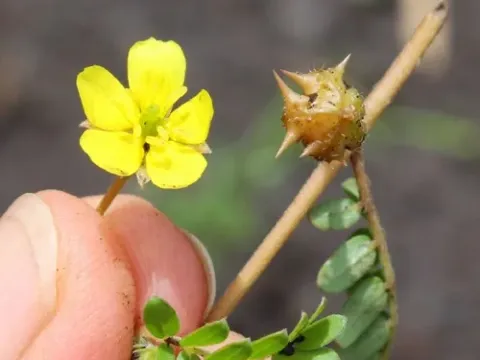
Botanically, it features prostrate stems and a specific morphology of fruit that must be carefully managed to ensure product purity during the collection phase of the production cycle.
Sowing should be performed in late spring when ambient temperatures stay consistently above 15°C, ensuring high germination rates for this heat-loving crop.
Harvesting strategies depend on the end-use, with the aerial parts typically collected during the peak of the flowering stage for maximum alkaloid content.
Fruit collection is executed in the final stages of the vegetative cycle, requiring careful handling due to the spiny nature of the mature carpels.
Primary threats to the crop include soil-borne fungal pathogens which become problematic during unseasonably wet springs or in areas with poor drainage systems.
Insect pests such as aphids and leaf miners may affect yield quality, necessitating integrated pest management programs that emphasize environmental balance.