
Lantana brasiliensis
Lantana brasiliensis
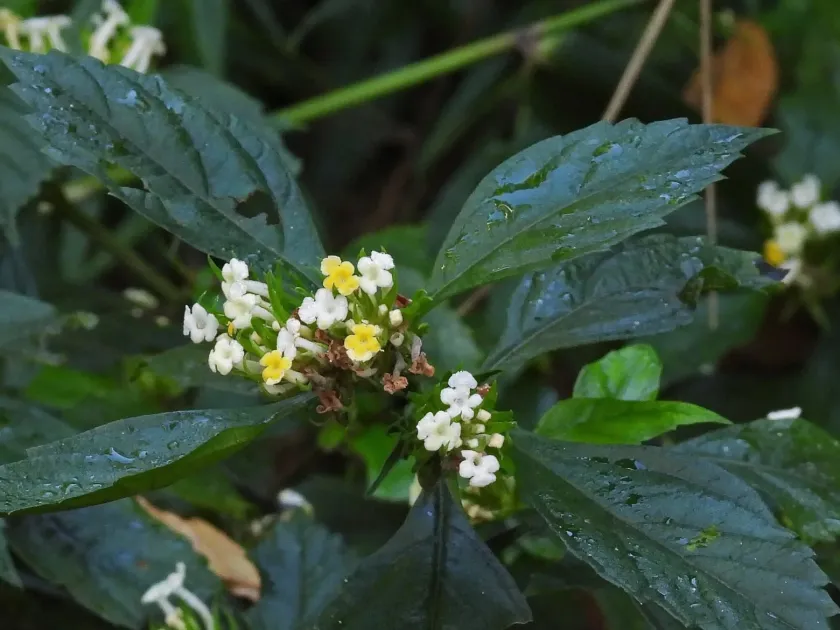
Description
Growing requirements
Lantana brasiliensis is a perennial shrub belonging to the Verbenaceae family. It is native to the tropical regions of South America and is characterized by its woody base and spreading growth habit.
As a heat-loving species, this plant requires temperatures consistently between 20°C and 28°C. It is extremely sensitive to frost and is typically grown in tropical or subtropical climates, or as an annual in cooler regions.
The ideal soil for Lantana brasiliensis is sandy or loamy soil with a neutral to slightly acidic pH. Excellent drainage is essential, as the root system is highly prone to rot in saturated conditions.
The plant demonstrates high light requirements. It performs best in full sun, which promotes dense foliage and continuous production of flowers, essential for its overall health and development.
Cultural practices include moderate irrigation and regular fertilization. During the active growing season, applying a balanced NPK fertilizer ensures vigorous growth and helps the plant recover after periods of flowering.
Main diseases and pests
Common pests affecting this crop include whiteflies and spider mites. These insects thrive in warm and dry environments, frequently infesting the undersides of leaves and sucking plant sap.
Powdery mildew represents the most significant fungal threat. It typically appears as a white, dusty layer on the foliage, often caused by poor air circulation or excessive moisture levels in the canopy.
Root rot, often caused by Pythium species, occurs in waterlogged soil. This condition leads to wilting and death of the plant if drainage is not improved and soil moisture is not carefully managed.
Management strategies involve the use of integrated pest management (IPM). This includes monitoring for insect populations, ensuring proper spacing for airflow, and using targeted fungicides when necessary.
- Integrated pest management
- Proper canopy ventilation
- Soil moisture monitoring