
Junellia selaginoides
Junellia selaginoides
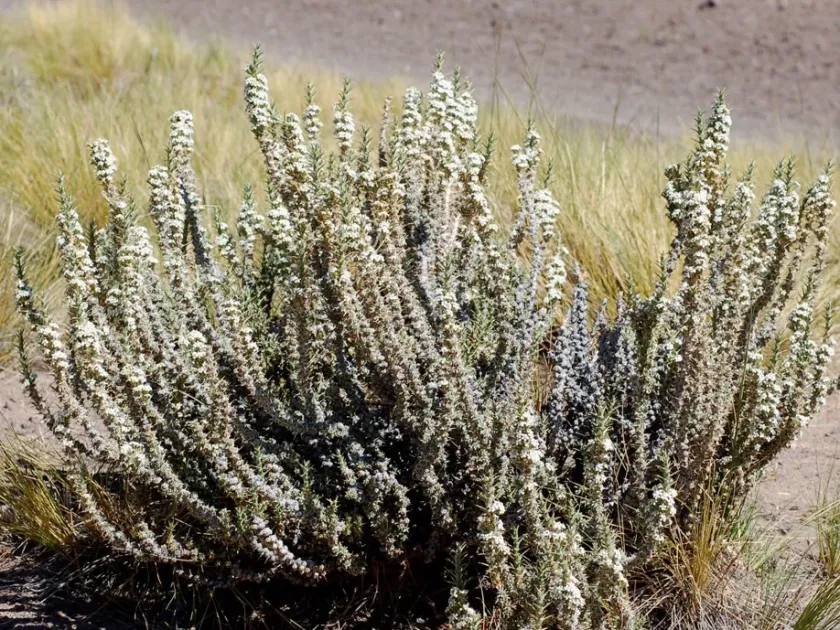
Description
Growing requirements
Junellia selaginoides is a compact, evergreen subshrub belonging to the Verbenaceae family, known for its cushion-forming growth habit.
The plant originates from the high-altitude regions of the Andes, where it is found in rocky slopes and exposed alpine environments in Argentina and Chile.
For optimal development, the species requires extremely well-drained, gritty, or rocky soils that mimic its natural habitat and prevent moisture buildup.
It thrives in full sun, requiring high levels of solar radiation to maintain its characteristic tight, dense form and prevent etiolation.
Agrotechnical management involves minimal irrigation, as the plant is highly adapted to arid conditions and sensitive to excessive soil humidity.
Main diseases and pests
The primary concern for the health of Junellia selaginoides is the development of root rot pathogens, which thrive in waterlogged, poorly aerated soil.
Excessive humidity around the crown and root zone can lead to rapid fungal infections, necessitating the use of specialized drainage layers in cultivation.
Spider mites are common pests that may infest the foliage during hot, dry periods, potentially causing leaf yellowing and reduced plant vigor.
Aphids can also occasionally affect new growth in the spring, which may require manual removal or targeted treatment with appropriate insecticides.
Maintaining proper air circulation around the plants is essential for preventing both fungal growth and the colonization of leaf-feeding insects.