
Glandularia venturii
Glandularia venturii
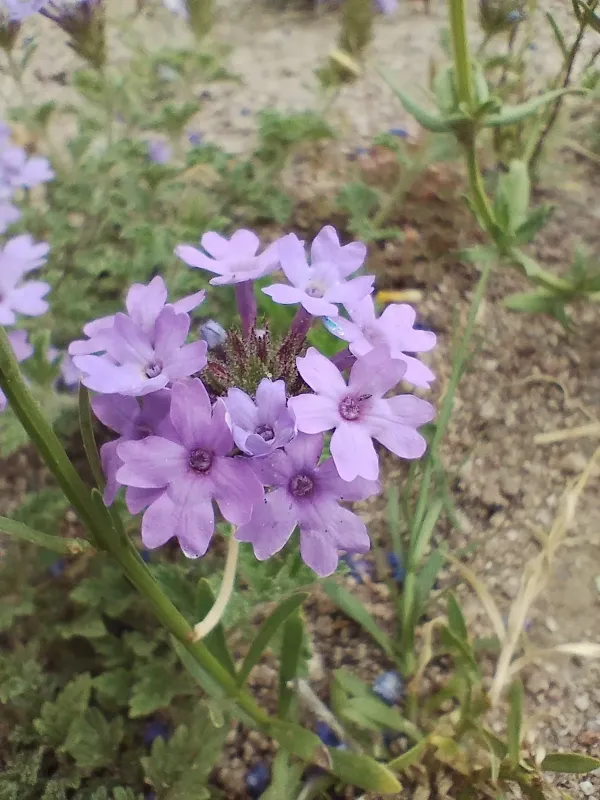
Description
Growing requirements
Glandularia venturii is a perennial herbaceous plant belonging to the Verbenaceae family. Native to the mountainous regions of Argentina, this species has adapted to specific ecological niches within South America.
The plant thrives in full sun exposure. It requires bright light to maintain its structural integrity and promote vigorous blooming, making it an ideal choice for open garden settings.
Regarding soil, it prefers well-draining, loose substrates. It is essential to avoid heavy clay soils that may retain excess moisture, as Glandularia species are particularly sensitive to root rot.
Watering requirements are moderate. While the plant shows some drought tolerance once established, consistent soil moisture during the active growing season is beneficial for overall plant health.
The climate preference for this species is warm to temperate. It is generally not frost-hardy, requiring protection in areas where temperatures drop significantly below freezing during the winter months.
Main diseases and pests
The most significant threats to Glandularia venturii are fungal pathogens, which frequently develop in environments with high humidity or poor air circulation within the plant canopy.
Powdery mildew is a recurring problem that affects foliage. Symptoms include a dusty white appearance on the leaves, which can be mitigated by ensuring adequate space between individual plants.
Spider mites are common insect pests that thrive under hot and dry conditions. They damage the plant by feeding on cell sap, leading to discolored and weakened leaves over time.
Aphids can also infest the tender shoots of the plant. Regular monitoring and the application of mild horticultural oils or insecticidal soaps are typically sufficient to manage these populations.
Preventive maintenance is key to success. This includes pruning spent flower heads to encourage new growth and keeping the base of the plant clear of debris to prevent the buildup of soil-borne pathogens.