
Lippia integrifolia
Lippia integrifolia (Gris.)Hieron.
Description
Sowing dates
Propagation is typically achieved through seeds or stem cuttings. Seed sowing should take place in early spring, using a lightweight germination mix kept consistently moist at temperatures around +22°C.
Cuttings are preferred for maintaining genetic uniformity and faster growth. Stem cuttings should be taken during the peak growth season, treated with rooting hormones, and placed in a humid environment until established.
Transplanting into open fields should only occur after the danger of frost has completely passed. Maintaining a spacing of 40–50 centimeters is recommended to ensure adequate air circulation and reduce disease risk.
The crop requires regular, moderate irrigation. During periods of drought, irrigation frequency should be adjusted, but caution must be taken to prevent pooling water around the base of the plant.
Fertilization with balanced NPK formulas during the vegetative phase significantly enhances biomass production. Organic amendments like compost can also be used to improve soil structure and long-term fertility.
Growing requirements
Lippia integrifolia is a perennial shrub belonging to the Verbenaceae family, native to South America, particularly common in Argentina and Bolivia. It is highly valued for its medicinal properties and intense, pleasant fragrance.
This crop thrives in sunny locations with well-draining, loamy, or sandy soils. Soil aeration is critical for its root health, as Lippia is sensitive to waterlogged conditions which often lead to physiological disorders.
The plant prefers warm climates with temperatures ranging between +20°C and +28°C. In regions with freezing winters, it is typically grown as a container plant or in climate-controlled greenhouses to ensure survival.
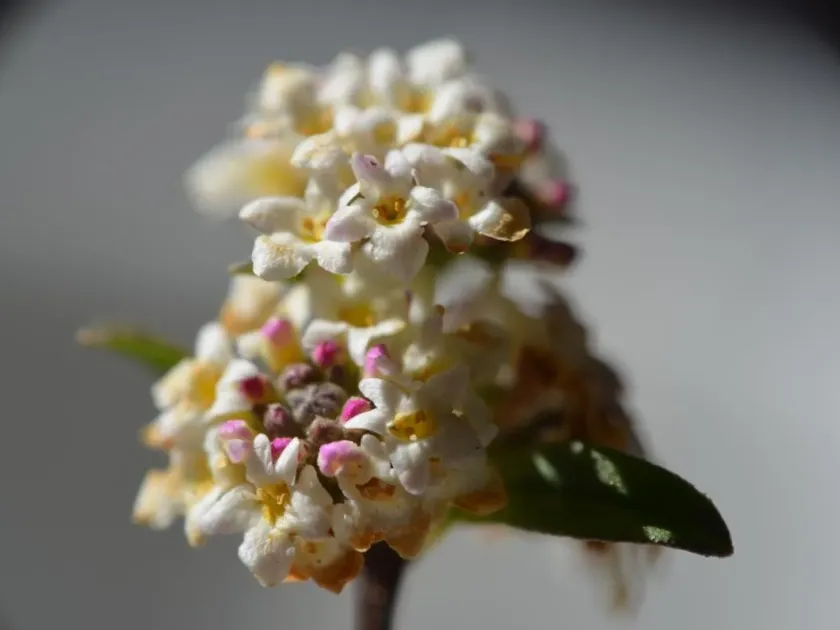
Botanically, it features slender leaves and small, dense inflorescences. The foliage is rich in aromatic compounds, which makes it a popular subject for both ornamental landscaping and commercial herbal production.
In practice, Lippia integrifolia is utilized in the beverage industry, specifically for tea blends, as well as in traditional medicine for its digestive and sedative properties. Its essential oils are subject to ongoing agricultural research.
Main diseases and pests
Lippia is generally robust, but it can be susceptible to powdery mildew under conditions of high humidity or poor air circulation. Proper plant spacing and leaf drying are effective preventative strategies.
Common pests such as aphids and spider mites may target new, tender growth. Integrated pest management, including the use of insecticidal soaps and biological control agents, is recommended over heavy chemical use.
Root rot remains the most serious threat, usually induced by poor drainage or overwatering. Maintaining soil porosity and ensuring the site is slightly elevated can significantly reduce this risk.
Whiteflies can also become a nuisance in greenhouse environments. Frequent monitoring and the installation of yellow sticky traps are standard practices for early detection and population control.
Crop rotation and consistent field sanitation are essential to prevent the buildup of soil-borne pathogens. Removing fallen leaves and debris at the end of the season helps maintain a healthy planting environment.
Harvesting
The optimal harvest time for Lippia integrifolia is shortly before the plant reaches full bloom. At this stage, the concentration of essential oils is at its absolute peak, ensuring high-quality yield.
Harvesting involves cutting the upper portions of the stems, leaving at least 15 centimeters of growth at the base to allow for regrowth. Clean, sharp tools are essential to prevent stem damage.
Post-harvest processing involves drying the material in a cool, shaded area with constant airflow. Avoid high-heat drying methods to prevent the evaporation of volatile aromatic components.
Once dried, the herbs should be stored in airtight containers away from direct sunlight. Proper storage conditions ensure that the product retains its medicinal value and strong aroma for an extended shelf life.
Secondary harvests can be achieved within the same season if climatic conditions remain favorable and the plants are managed with appropriate fertilization and irrigation after the initial cut.