
Pellionia pulchra
Pellionia pulchra
Description
Growing requirements
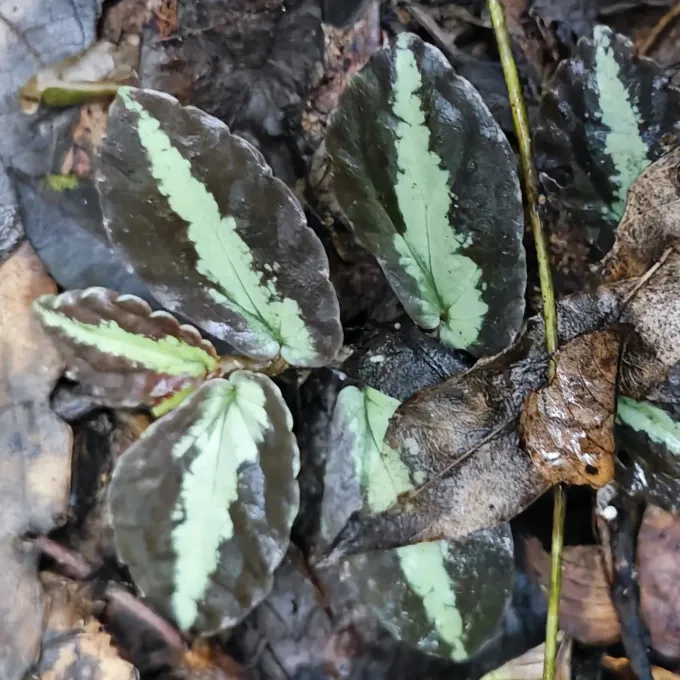
Pellionia pulchra, often known as the trailing watermelon begonia, is a captivating herbaceous perennial belonging to the Urticaceae family. Native to the tropical rainforests of Southeast Asia, it is highly valued for its striking foliage featuring dark veins and greyish-green leaf patterns.
To cultivate this plant successfully, high humidity is mandatory. It thrives in terrarium conditions where moisture levels are consistently elevated. In standard indoor settings, frequent misting or the use of a humidifier is necessary to maintain the plant in a healthy, vibrant state.
The ideal temperature for P. pulchra ranges between 18°C and 25°C (64°F to 77°F). It is vital to protect the plant from cold drafts and sudden thermal fluctuations, as the species is essentially tropical and lacks tolerance for cold, which can lead to rapid wilting.
Soil composition must be loose, porous, and slightly acidic. A mix consisting of peat moss, perlite, and pine bark is recommended to ensure excellent aeration and drainage. Soggy soil is the primary cause of failure, as it inevitably leads to root suffocation and decay.
Regarding light requirements, the plant prefers bright, indirect sunlight or dappled shade. Exposure to direct sunlight will scorch the delicate foliage, bleaching the distinctive color patterns and causing permanent damage to the leaf structure.
Main diseases and pests
Common pests include spider mites and mealybugs, which are particularly problematic in dry environments. Monitoring the plant closely and maintaining appropriate humidity levels significantly reduces the risk of infestation by these destructive organisms.
Root rot, triggered by overwatering, is the most common health issue. Proper drainage and a consistent, moderate watering schedule are essential to prevent fungal infections that quickly compromise the plant's vascular system and overall vitality.