
Pellionia pellucida
Pellionia pellucida
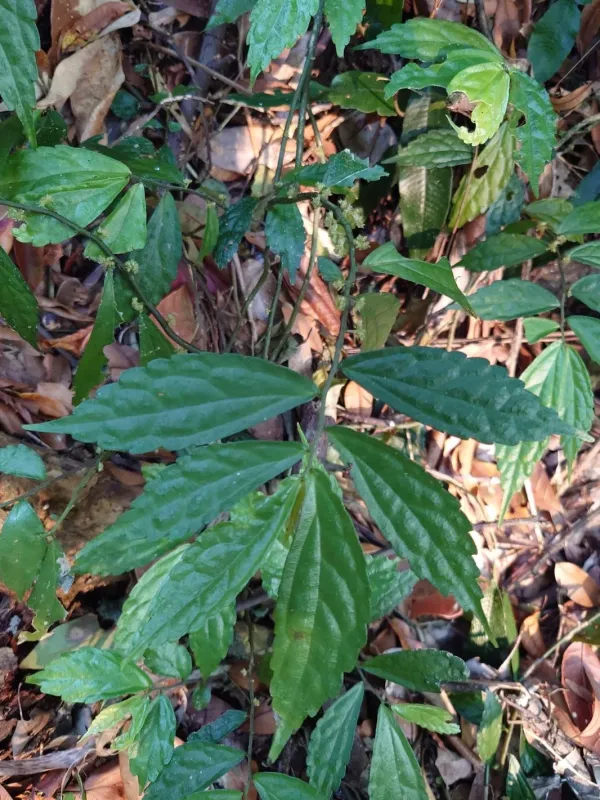
Description
Growing requirements
Pellionia pellucida, commonly known as the trailing pellionia, is a member of the Urticaceae family. Native to the tropical regions of Southeast Asia and Polynesia, this perennial herb thrives in the shaded, moisture-rich forest floor environments of its natural habitat.
To successfully cultivate this crop, a stable temperature range between 20°C and 25°C is essential. As a tropical species, it cannot withstand temperatures below 12°C, which restricts its growth exclusively to controlled environments like greenhouses or indoor spaces.
The plant requires a nutrient-rich, well-draining soil mixture. A composition including peat moss, perlite, and high-quality leaf mold is recommended to ensure the roots receive adequate oxygen while maintaining the consistent moisture the plant demands for development.
Humidity is a critical factor in the agronomy of Pellionia pellucida. It thrives when environmental humidity remains between 70% and 80%. In non-tropical climates, supplemental humidification is necessary to prevent foliage desiccation and ensure healthy leaf expansion.
Regarding light requirements, this plant is highly shade-tolerant. It performs best in filtered light or partial shade. Exposure to intense, direct sunlight is detrimental, as it causes leaf discoloration and severe burn spots, significantly reducing the visual quality of the plant.
Main diseases and pests
The primary agronomic threat to Pellionia pellucida is the development of root and stem rot, which is almost exclusively caused by overwatering and poor drainage management. Maintaining a balance between soil moisture and aeration is crucial for crop health.
Spider mites represent the most persistent pest threat. These arachnids thrive in low-humidity environments, feeding on the undersides of the leaves, which causes chlorosis, stippling, and eventual leaf drop if left untreated by appropriate miticides.
Mealybugs are another common challenge for this culture. These insects hide in the tight leaf axils and stems, extracting plant sap and weakening the crop. Infestations should be managed with systemic insecticides or specialized contact treatments.
In addition to pests, the crop is susceptible to fungal diseases such as leaf spots, often triggered by poor ventilation or water sitting on the foliage. Ensuring good airflow around the plants can significantly reduce the risk of such fungal issues.
Routine scouting and sanitary maintenance are the most effective strategies for long-term health. Removing dead or damaged tissue and ensuring sterile potting conditions prevent the spread of soil-borne pathogens and keep the plant in a vigorous growth phase.