
Lecanthus peduncularis
Lecanthus peduncularis
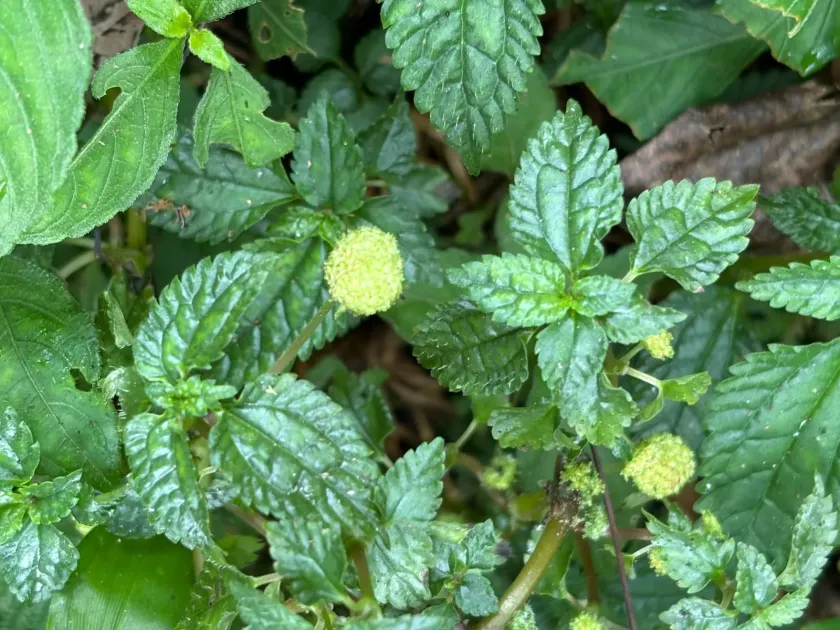
Description
Growing requirements
Lecanthus peduncularis is a delicate herbaceous plant belonging to the Urticaceae (Nettle) family. Unlike many of its more aggressive relatives, this species is non-stinging and is prized primarily for its aesthetic appeal and compact growth habit in specialized collections.
The plant originates from the moist, shady forests of the Himalayas and other parts of Asia. Its natural habitat is typically found in humid, high-altitude regions where the microclimate remains stable throughout the growing season.
Successful cultivation requires a potting medium that is both well-draining and rich in organic matter. A mixture composed of sphagnum peat and perlite or coarse sand is generally recommended to ensure the roots receive adequate oxygen while maintaining moisture.
Environmental conditions must mimic a woodland floor. Bright, indirect light is essential; low-intensity light prevents the delicate leaves from drying out or burning. Maintaining high atmospheric humidity is equally important for the health of the foliage.
Temperature management is critical for this tropical species. It does not tolerate frost and thrives in moderate temperatures between 20°C and 25°C. Exposure to sudden temperature drops should be avoided to prevent stress and growth stagnation.
Main diseases and pests
The most significant threat to Lecanthus peduncularis is fungal root rot. This condition is primarily caused by overwatering or soil that remains saturated for extended periods, preventing proper root respiration and leading to tissue decay.
Spider mites are the most common pest, especially in indoor environments where heating systems reduce humidity. These mites can quickly colonize the underside of leaves, causing yellowing and webbing, which can weaken the plant significantly.
Mealybugs can also pose a problem, settling in the nodes and leaf axils. Because the plant has soft tissues, heavy-handed use of insecticides can be detrimental, so manual removal or gentle soaps are preferred management strategies.
Poor air circulation increases the risk of mold and bacterial infections. Stagnant air allows excess moisture to settle on leaves, creating a breeding ground for pathogens that can lead to rapid decay of the vegetative parts.
Proactive care involves maintaining a clean environment and ensuring that the plant is not overcrowded with other foliage. Regular monitoring for signs of distress ensures that potential problems are identified before they become severe.