
Tropaeolum peltophorum
Tropaeolum peltophorum Benth.
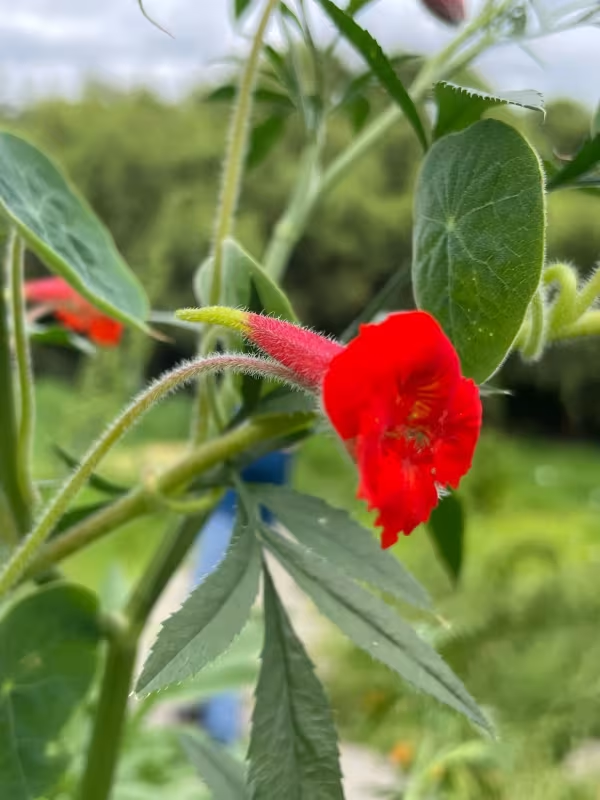
Description
Sowing dates
Sowing Tropaeolum peltophorum seeds outdoors should only be undertaken once the risk of spring frost has completely passed. The soil must be sufficiently warmed, usually reaching at least 15 degrees Celsius in late May.
For gardeners looking to extend the flowering season, starting seeds in biodegradable pots indoors during March or April is a recommended practice. Direct sowing, however, is often preferred for established vigor.
When transplanting indoor seedlings, extreme caution is necessary to avoid disturbing the fragile root system. The seeds should be planted at a depth of approximately 2 centimeters in well-drained substrate.
Proper spacing is crucial for the health of the plants, with 30 to 40 centimeters recommended between individual specimens. This spacing allows for sufficient air circulation and minimizes the risk of fungal outbreaks.
Germination typically occurs within 10 to 14 days under optimal moisture and temperature conditions. Once established, the plants exhibit a rapid growth habit, quickly covering the intended ground area.
Growing requirements
As a member of the Tropaeolaceae family, Tropaeolum peltophorum is a highly light-demanding plant. It requires full sun exposure to produce the best flowering results and strong, healthy foliage.
The ideal growing medium for this species is a light, moderately fertile soil that provides excellent drainage. Over-fertilization with nitrogenous compounds is counterproductive, as it encourages leaf growth at the expense of floral development.
While the plant shows moderate drought tolerance, it performs best when provided with regular, deep watering during dry spells. Care must be taken to avoid waterlogging the roots to prevent decay.
A neutral to slightly acidic pH is preferred for optimal nutrient uptake. If the native soil is heavy or clay-based, incorporating organic matter or sand is necessary to improve the physical structure.
The plant thrives in locations that are protected from harsh, drying winds. Site selection should focus on areas that receive at least six to eight hours of direct sunlight daily.
Yield
The economic value of Tropaeolum peltophorum is diverse, spanning ornamental horticulture, culinary uses, and traditional pharmaceutical applications. Every part of the plant offers distinct utility.
The leaves and flowers are widely recognized as edible, providing a peppery flavor profile and a rich source of Vitamin C. They are highly sought after by chefs for use in salads and specialty dressings.
Seed pods can be harvested and pickled to serve as a high-quality alternative to capers. This processing method allows for the storage of the harvest for use throughout the winter months.
In addition to culinary applications, the plant is valued for its natural repellent properties, often used in companion planting to protect other vegetable crops from common garden pests.
Commercial producers focus on high-yield varieties that demonstrate consistent blooming and foliage quality, ensuring a steady supply for market demands throughout the growing season.
Main diseases and pests
Tropaeolum peltophorum is naturally resistant to many pests due to the presence of mustard oil glycosides, yet it can be susceptible to aphids and spider mites if the plant is stressed by poor care.
Fungal pathogens, particularly leaf spot diseases, may emerge in environments with poor ventilation or high humidity levels. Preventive measures include ensuring correct spacing and avoiding overhead watering.
Bacterial wilt remains a significant threat in poorly drained soils. If infected plants are detected, they must be removed immediately to prevent the spread of the pathogen to healthy neighbors.
Integrated pest management, including the use of neem oil or insecticidal soaps, is effective in controlling outbreaks without compromising the safety of the edible parts of the plant.
Regular monitoring of the foliage and maintaining a clean growing space are the primary defenses against disease pressure. Proper site drainage is the single most important factor in long-term plant health.