
Chilean nasturtium
Tropaeolum tricolor Sweet
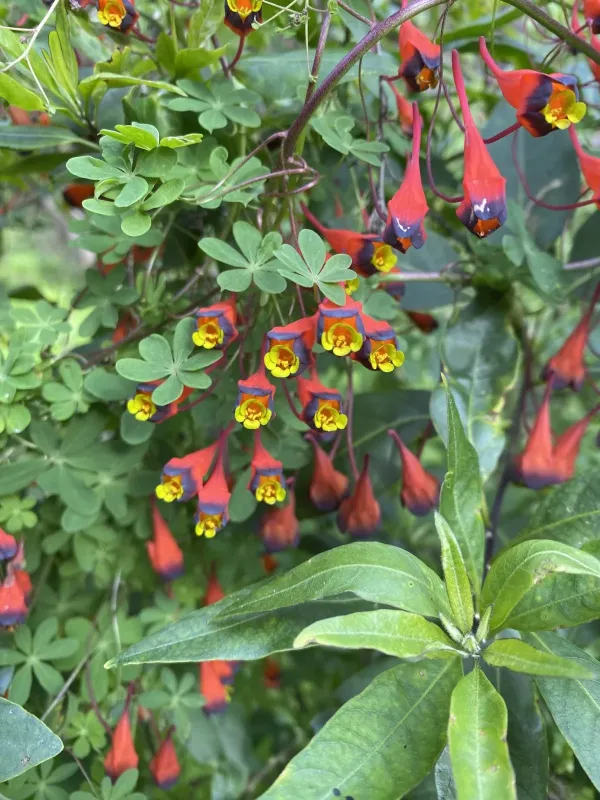
Description
Sowing dates
Sowing of Tropaeolum tricolor seeds is typically performed in late winter to ensure the plants establish well before the onset of intense heat in summer.
Seeds benefit from scarification or a short soak in warm water to soften the coat and encourage uniform germination across the batch.
A well-draining, gritty soil mix is essential for sowing, as the seeds and young tubers are susceptible to fungal rot if exposed to overly moist conditions.
Containers should be kept in a cool, bright location with temperatures consistently between 15 and 18 degrees Celsius to foster healthy initial development.
Once seedlings have developed several true leaves, they can be carefully transplanted into larger pots, being cautious not to disturb the developing root system.
Growing requirements
Tropaeolum tricolor, a member of the Tropaeolaceae family, originates from the mountainous regions of Chile, requiring conditions that mimic its cool, rocky habitat.
As a tuberous climber, this species necessitates a vertical support system, such as a trellis or wire frame, to accommodate its delicate and winding stems.
The substrate must be lean and highly porous; heavy or nutrient-rich soils will lead to excessive foliage growth and a significant reduction in flower production.
Bright, indirect light is preferred, as direct intense sunlight can cause the dormant tubers to overheat when grown in pots or shallow garden beds.
The plant enters a natural dormancy period; understanding this cycle is crucial, as watering should be reduced during the hot summer months to protect the tubers.
Main diseases and pests
Root rot remains the most serious threat to the Chilean nasturtium, usually triggered by poor drainage or overwatering during the plant's inactive or dormant phase.
Aphids are common pests that feed on the soft growing tips, often leading to stunted growth and the transmission of viral pathogens within the colony.
Spider mites can thrive in the dry conditions required by the plant, causing fine webbing and chlorotic spots on the foliage if humidity levels are not managed.
Powdery mildew may appear on leaves in environments with poor air circulation, necessitating better spacing and reduced ambient humidity for the foliage.
General hygiene practices, such as removing dead leaves and ensuring regular but moderate airflow, are the best defense against these typical horticultural issues.