
Tropaeolum majus
Tropaeolum majus L.
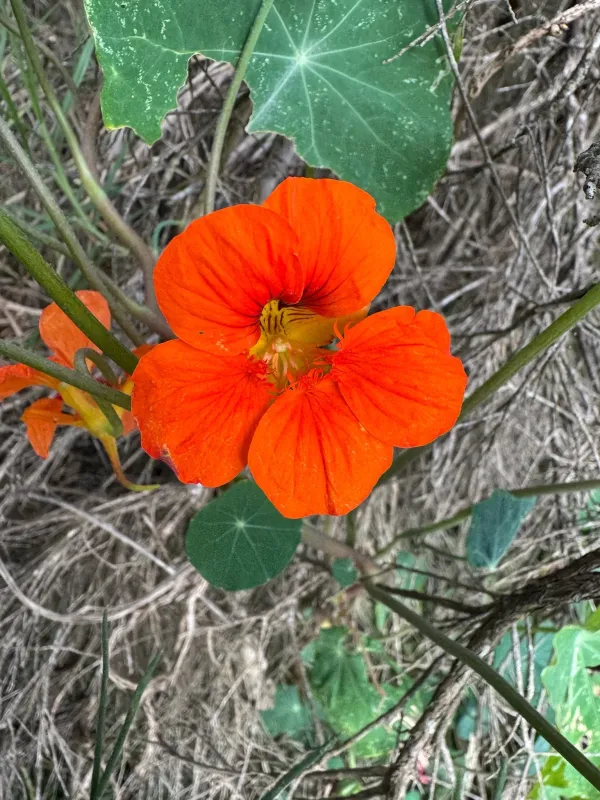
Description
Sowing dates
Tropaeolum majus, commonly known as the garden nasturtium, should be sown directly into the soil only after the risk of frost has completely passed, as the plant is extremely sensitive to cold.
For gardeners in cooler regions, starting seeds indoors in biodegradable pots 3-4 weeks before the last frost date is recommended, as the plant does not tolerate root disturbance well.
Seeds are typically planted at a depth of 1.5 to 2 centimeters. Maintaining proper spacing of about 25-30 centimeters between seeds ensures sufficient airflow and reduces the risk of fungal outbreaks.
Optimal germination occurs when soil temperatures remain stable around 20°C, leading to emergence within 10 to 14 days under well-drained, slightly moist conditions.
Hardening off indoor-grown seedlings by gradually exposing them to outdoor conditions is a critical step to ensure successful establishment and reduce transplant shock.
Growing requirements
Native to South and Central America, Tropaeolum majus is a member of the Tropaeolaceae family. It thrives in full sun but can tolerate partial shade, provided it receives sufficient light for photosynthesis.
This crop prefers poor to moderately fertile, well-draining soil. High nitrogen levels in the soil encourage excessive foliage growth at the expense of floral development, resulting in a less productive crop.
Regular but moderate watering is necessary during the vegetative phase. However, keeping the soil excessively wet will cause root rot, as the plant requires proper oxygenation at the root level.
The plant generally requires little to no additional fertilization. If necessary, a low-nitrogen, balanced fertilizer can be applied to encourage blooming throughout the summer season.
As an annual species, Tropaeolum majus is not frost-tolerant and completes its life cycle in a single season, making it an excellent candidate for seasonal garden planning and companion planting.
Main diseases and pests
Aphids are the primary pest affecting nasturtiums; they cluster on the undersides of leaves and on tender stems, causing significant damage if left unmanaged in a large population.
Flea beetles may also pose a challenge, particularly during hot and dry spells, creating small, characteristic holes in the leaves that detract from the plant's aesthetic and health.
Bacterial wilt is the most serious disease for this species, characterized by rapid yellowing and collapse of the entire plant, often linked to soilborne pathogens favored by high humidity.
Preventative measures include maintaining good plant spacing and ensuring the soil is not waterlogged, which helps reduce the humidity levels that favor fungal and bacterial growth.
Organic control methods, such as neem oil applications or physical removal of infested foliage, are preferred when growing nasturtiums for culinary use to ensure the safety of the harvest.
Harvesting
Both leaves and flowers of Tropaeolum majus are edible and highly valued for their spicy, mustard-like flavor. Harvesting is best performed in the early morning when the oils are most potent.
Unripe seed pods can be harvested for pickling. When processed correctly, they serve as a unique, spicy substitute for capers in various gourmet food preparations.
When harvesting for medicinal or aromatic use, the entire aerial part of the plant should be collected at the peak of the flowering period and dried away from direct sunlight.
Since the plant continues to produce new flowers as long as growing conditions are favorable, harvesting can be done in multiple stages throughout the entire growing season.
Post-harvest, the product should be kept cool or consumed quickly, as the tender tissues of the nasturtium have a relatively short shelf life and lose quality rapidly if stored improperly.