
Flame Flower
Tropaeolum speciosum Poepp. & Endl.
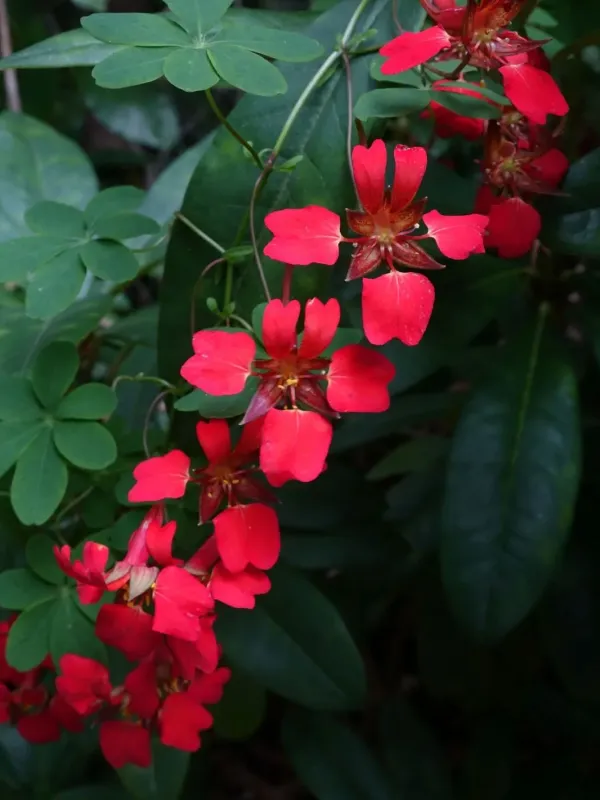
Description
Sowing dates
Sowing seeds of Tropaeolum speciosum is best performed in late autumn or early spring, as the seeds require a period of cold stratification to germinate successfully. Direct sowing outdoors allows the seeds to experience the natural seasonal temperature fluctuations required for dormancy breakage.
If starting indoors, it is essential to keep the seed containers in a cold environment for at least 4 to 6 weeks. After this period, moving the seeds to a warmer location will trigger germination and help the seedlings develop strong root systems before outdoor transplantation.
The seeds should be planted at a shallow depth of approximately 1 to 2 centimeters. Using a light, well-draining seed-starting mix helps prevent seed rot, which is a common issue for this species when exposed to excessive moisture during the initial stages.
When transplanting seedlings into the garden, wait until all risk of frost has passed. Choose a site that allows the vines to climb naturally, providing them with the necessary support structures from the very beginning of the growing season.
Space individual plants about 30 to 40 centimeters apart to ensure adequate airflow. Proper spacing prevents the stems from becoming overcrowded, which is crucial for reducing the risk of fungal infections and supporting healthy vegetative development.
Growing requirements
Flame Flower is a perennial climber in the Tropaeolaceae family, originating from the cool, moist regions of Chile. It thrives in temperate climates and is famously sensitive to high temperatures, particularly at the root level, which makes site selection critical.
The ideal soil for this climber is fertile, loose, and rich in organic matter. A well-drained substrate is essential; while the plant enjoys moisture, it cannot tolerate waterlogged conditions, which lead to rapid root decay and plant mortality.
The best location is one that offers partial shade, where the base of the plant remains cool and protected from direct sunlight, while the upper stems can reach towards the light. In nature, it often climbs through shrubs, which provides this necessary protection.
Maintenance involves regular watering during dry spells and the application of organic mulch around the base of the plant. Mulching helps maintain a constant soil temperature and retains moisture, effectively simulating the natural habitat of the Tropaeolum species.
Fertilization should be applied carefully; excessive nitrogen encourages leaf growth at the expense of its iconic red flowers. A balanced, low-nitrogen fertilizer applied during the growth phase supports overall health and ensures a more vibrant blooming period.
Main diseases and pests
Aphids are the most common pest, often colonizing the tender new growth of the vine. Regular monitoring and early intervention with insecticidal soaps or biological controls can prevent significant damage and keep the plant healthy during the growing season.
Fungal diseases, such as powdery mildew, are prevalent in environments with high humidity and poor air circulation. To manage this, ensure the vines have adequate support and space, and avoid overhead watering that keeps the leaves wet for long periods.
Root rot is a major threat linked to poor soil drainage. If the vine appears stressed, yellowing, or wilting despite adequate rainfall, check the soil moisture. Improving drainage by adding grit or compost can often save the plant if caught early.
Slugs and snails may feed on the foliage, particularly during the wet spring months. Implementing physical barriers, such as copper tape or crushed eggshells around the base, can deter these pests and protect the decorative leaves from unsightly damage.
Integrated pest management, including regular sanitation and the removal of infected plant debris, is key to preventing disease outbreaks. Keeping the garden clean and monitoring the health of the plants ensures a robust and long-lived specimen in your landscape.