
Dwarf Nasturtium
Tropaeolum minus L.
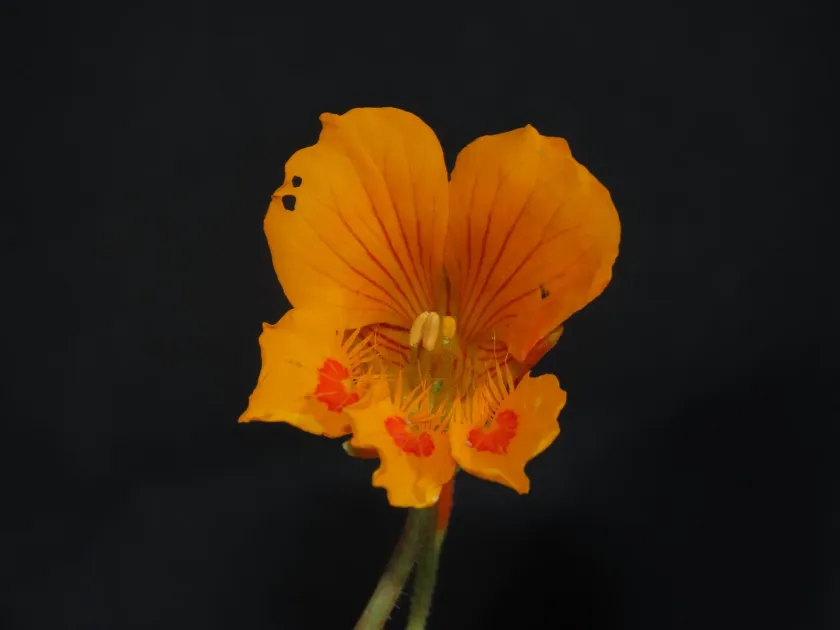
Description
Sowing dates
Dwarf Nasturtium seeds should be sown outdoors only after the risk of frost has completely passed. In temperate climates, this usually falls in late spring, when the soil has warmed sufficiently to ensure rapid germination.
For earlier blooms, gardeners can start seeds indoors in biodegradable peat pots about 4–6 weeks before the last expected frost. This method is preferred because the plant has a sensitive root system that does not tolerate transplanting well.
Seeds are typically planted at a depth of 1.5 to 2 centimeters. Maintaining consistent soil moisture during the germination process is vital, as the seeds require adequate water to break dormancy and emerge successfully within two weeks.
When sowing in the garden, ensure a spacing of 20 to 25 centimeters between plants. This distance allows for adequate light penetration and air circulation, which are critical for preventing disease outbreaks in dense foliage.
The seeds remain viable for several years if stored in a cool, dry environment. Always choose fresh seeds to ensure high germination rates, as older seeds tend to produce weaker, less productive seedlings.
Growing requirements
As a member of the Tropaeolaceae family, Dwarf Nasturtium thrives in full sun. While it can tolerate partial shade, maximum sunlight is essential for promoting dense growth and vibrant flower production throughout the growing season.
The plant prefers well-drained, average to poor soil. High-nutrient soils, especially those rich in nitrogen, often result in lush green foliage at the expense of flowers, so avoid heavy fertilization during the development phase.
Watering should be managed carefully to keep the soil slightly moist but never waterlogged. Once established, the plants are moderately drought-tolerant, though regular watering will keep them looking their best during hot weather.
Temperature sensitivity is a key factor in cultivating this species. It is highly susceptible to cold and will stop growing or die if exposed to freezing conditions, requiring a protected spot in the landscape away from harsh winds.
Soil pH should ideally be neutral or slightly acidic. On heavy clay soils, incorporating organic matter or coarse sand is recommended to improve structure and drainage, protecting the plant from rot caused by stagnant water.
Main diseases and pests
Aphids are the most common pests affecting Dwarf Nasturtium, often gathering in large numbers on the undersides of leaves. Regular monitoring and the use of insecticidal soap can effectively control these infestations.
Fungal diseases like leaf spot and root rot are prevalent in areas with high humidity or poor soil drainage. Improving air circulation around the plants and avoiding overhead watering are essential preventive measures.
Bacterial wilt can occur in stressful conditions, causing the plants to collapse suddenly. Once a plant is infected with bacterial wilt, it cannot be cured and should be removed promptly to prevent the spread to healthy plants.
Whiteflies can also become a nuisance during mid-summer. These pests are attracted to the succulent leaves and can be managed by using yellow sticky traps or neem-based organic sprays if the population reaches economic thresholds.
Nematodes may cause damage in soil that hasn't been properly rotated or treated. Maintaining a healthy soil ecosystem through crop rotation and the addition of compost helps mitigate the risk of soil-borne pathogens damaging the roots.