
Gnidia cuneata
Gnidia cuneata
Description
Growing requirements
Gnidia cuneata is a distinctive perennial shrub belonging to the Thymelaeaceae family. Originating from Southern Africa, this plant has evolved to thrive in harsh, rocky environments, making it a specialized species with specific ecological requirements for cultivation.
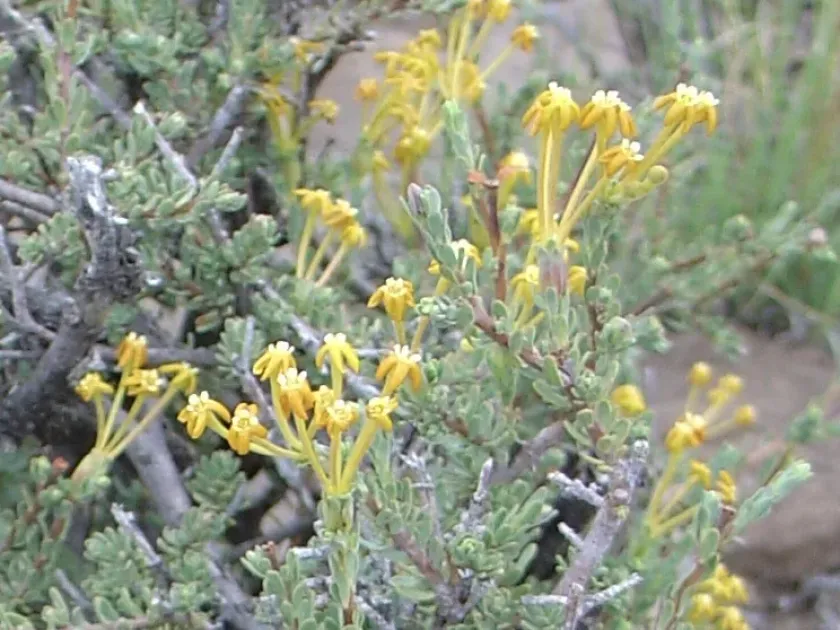
Botanically, the plant is characterized by its woody structure and small, wedge-shaped leaves that are evolutionarily adapted to minimize water loss. The plant exhibits a compact growth habit, which makes it highly suitable for xeriscaping and sustainable landscaping projects in arid regions.
The climate requirements for Gnidia cuneata are strictly subtropical. It thrives in regions with warm, sunny days and cool nights, requiring significant light exposure to maintain its structural integrity and encourage the production of its characteristic floral displays.
Soil conditions are the most vital aspect of its agricultural management. The species demands a well-draining, gritty, or sandy medium. Soils with poor permeability lead to root asphyxiation and subsequently the proliferation of lethal soil-borne pathogens within a very short timeframe.
Regarding cultivation technique, the species requires minimal irrigation once established. Overwatering is the primary cause of failure in agricultural settings. During the growth season, targeted moisture management is essential to balance the plant's metabolic needs against the risk of fungal infestation.
Main diseases and pests
Root rot is the most significant pathological threat to Gnidia cuneata. Caused by various species of fungi like Phytophthora or Pythium, these infections thrive in waterlogged conditions and can destroy a healthy specimen within days if drainage is not effectively managed.
Insect pests, particularly spider mites and mealybugs, represent a common challenge in greenhouse or indoor environments. These pests proliferate in low-humidity conditions, requiring regular monitoring and potential treatment with horticultural oils or systematic insecticides to maintain foliage health.
Environmental stress, specifically sudden temperature fluctuations or light starvation, can weaken the plant, making it more susceptible to opportunistic secondary infections. A strong, vigorous plant is generally more resistant to common pests, emphasizing the need for proper environmental control.
Integrated Pest Management (IPM) is the recommended approach for this culture. This includes the physical removal of pests, the use of biological controls when appropriate, and the prudent application of chemical agents only after thresholds of infestation have been reached.
Finally, keeping the growing area clear of debris and ensuring proper ventilation around the base of the plant are critical sanitary measures. These practices significantly reduce the microclimate suitability for mold growth and ensure the long-term health of the shrub collection.