
Gonystylus forbesii
Gonystylus forbesii
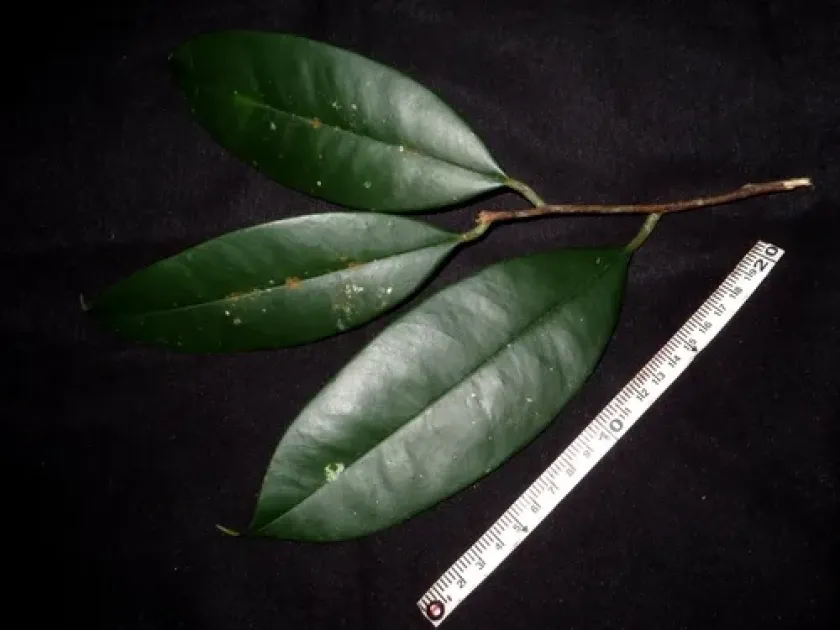
Description
Growing requirements
Gonystylus forbesii is a tropical tree species belonging to the Thymelaeaceae family. It is native to the rainforest ecosystems of Southeast Asia, where it contributes to the structural complexity of the tropical canopy.
The tree thrives in environments characterized by high annual rainfall and consistent, warm temperatures. It is typically found in lowland areas, often in soil conditions that are damp and rich in decaying organic matter.
Botanical development of the species is slow and dependent on specific microclimatic conditions, particularly high humidity. Seedlings often require the shade provided by larger trees to survive and establish their root systems effectively.
Agronomic management is not standard for this species because it is primarily harvested from wild forest populations rather than cultivated in controlled plantations. Sustainable management practices are essential to prevent overexploitation of this resource.
The timber obtained from this tree is highly regarded for its aesthetic and functional qualities. It is primarily utilized in the manufacturing of fine furniture, high-end carpentry, and specialized wood products that require a consistent grain and durability.
Main diseases and pests
Habitat loss due to widespread deforestation remains the most significant threat to the survival of Gonystylus forbesii. The reduction of primary rainforests directly impacts the population density and reproductive success of the species.
Boring insects and various wood-decaying fungi represent the primary biological threats to the health of the trees. These pathogens often attack trees that have been stressed by changes in the local water table or forest fragmentation.
Soil degradation caused by agricultural expansion around forest edges limits the availability of nutrients required for tree growth. This can make the trees more susceptible to environmental stressors and secondary infections.
The lack of plantation-based cultivation means that natural recovery after disease outbreaks is slow. Once a local population is affected by widespread fungal infection, the recovery process can take many decades.
Conservation efforts are currently focused on mapping remaining stands to monitor for signs of disease and ensuring that logging operations do not push the species towards localized extinction.