
Gnidia chrysantha
Gnidia chrysantha
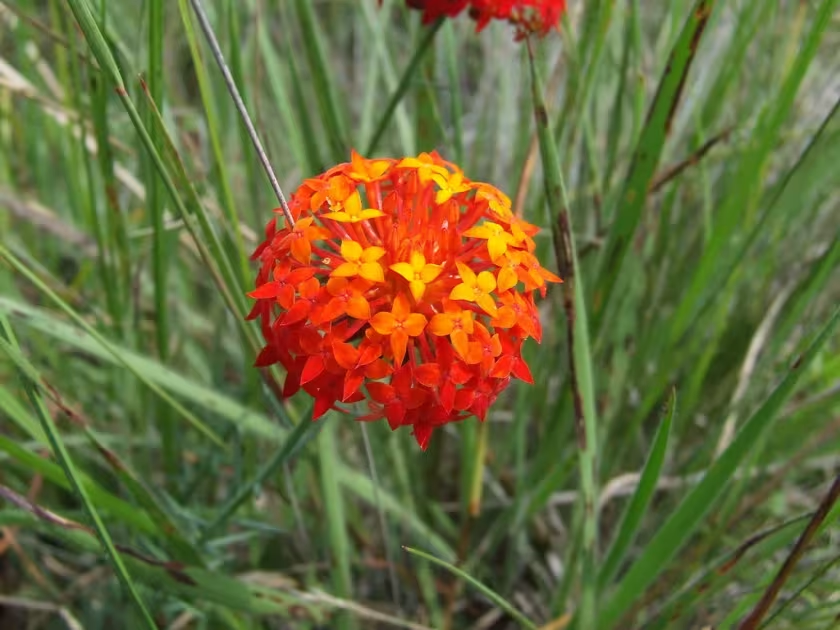
Description
Growing requirements
Gnidia chrysantha is a distinguished member of the Thymelaeaceae family, native to specific regions of Africa. This plant is recognized for its unique botanical structure and vibrant golden inflorescences, which serve as a primary feature for its classification within the genus.
Biologically, the plant exhibits xerophytic adaptations, allowing it to thrive in environments with seasonal moisture fluctuations. Its foliage is generally narrow and leathery, an evolutionary trait designed to minimize water loss through transpiration in hot, dry conditions.
Successful cultivation requires soil that is exceptionally well-draining, such as sandy or gritty loams. The plant is highly sensitive to root rot; therefore, providing a significant amount of coarse mineral material in the potting mix is essential for the health of the root system.
Environmental requirements include bright, indirect to direct sunlight. While Gnidia chrysantha is adapted to harsh conditions, it benefits from protection against extreme frosts and consistently damp environments, making greenhouse cultivation ideal in temperate zones.
Agrotechnical maintenance focuses on light fertilization and precise irrigation. Excessive nitrogen leads to weak, leggy growth, while erratic watering schedules can disrupt the plant's flowering cycle, reducing its overall ornamental impact during the blooming season.