
Mandragora caulescens
Mandragora caulescens
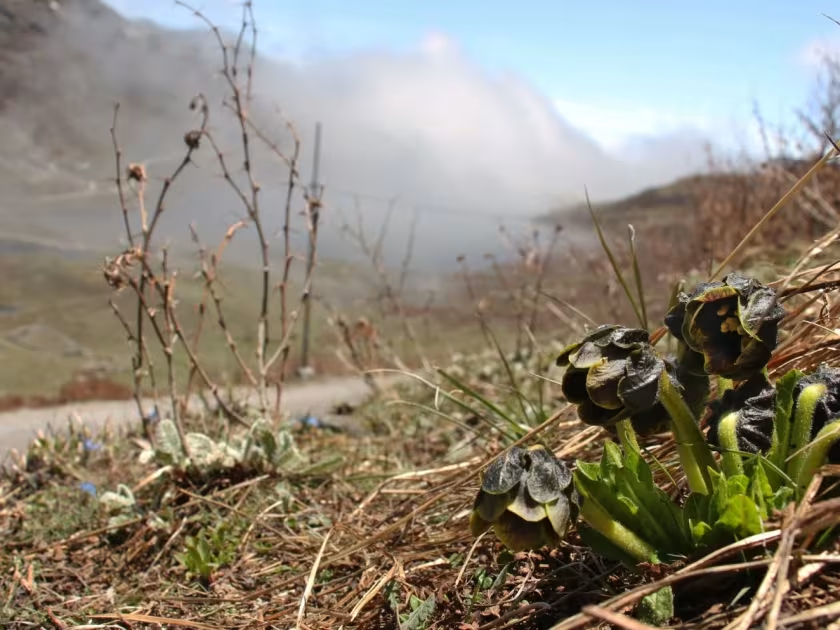
Description
Sowing dates
Mandragora caulescens is a unique member of the Solanaceae family. Unlike its stemless relatives, this species develops a distinct stem, which is a defining botanical characteristic for identification.
Seed propagation requires a period of cold stratification to break dormancy. Sowing should be carried out in a light, sandy soil mix to ensure rapid drainage and prevent fungal issues during germination.
Seeds are sown shallowly and covered with a fine layer of vermiculite or sand. Maintaining a constant temperature near 20 degrees Celsius is critical for uniform germination within a few weeks.
Seedlings develop a substantial taproot early on. It is essential to use deep pots for young plants to avoid root cramping, which can stunt the overall growth of the mandrake.
Transplanting into the final location must be handled with extreme care to avoid snapping the taproot, as the plant is highly sensitive to root disturbance once it has matured.
Growing requirements
The plant thrives in well-drained, porous soils. It is native to high-altitude Himalayan regions, preferring cooler temperatures and avoiding extreme tropical heat found in lower altitudes.
Sunlight requirements are moderate. While the plant appreciates direct light, in regions with intense summer sun, partial shading is recommended to prevent leaf scorching and excessive transpiration.
Watering needs must be managed strictly. The soil should remain moist but never waterlogged. Any stagnant water will lead to rapid decay of the fleshy roots and potential plant loss.
The species prefers slightly acidic to neutral soil pH. Periodic soil testing is recommended to ensure that nutrients are available and that the soil structure remains loose and aerated.
Fertilization should be balanced, focusing on promoting root health rather than excessive vegetative growth. Slow-release fertilizers are preferred to prevent nutrient burn.
Main diseases and pests
Root rot is the most common threat to this species. It is primarily caused by improper soil drainage or overwatering. Once rot begins, it is often difficult to save the specimen.
Pests like spider mites can be problematic in low humidity environments. Regular inspection of the underside of leaves is necessary to catch infestations early before they cause significant damage.
Fungal leaf spots can occur if the foliage remains damp for extended periods. Ensuring good air circulation around the plants is the best preventative strategy for this issue.
Slugs and snails can cause significant aesthetic and structural damage to young, tender growth. Physical barriers or organic molluscicides are effective methods for pest control.
Proper sanitation in the growing area, including the removal of dead plant material, is essential to minimize the risk of pathogen buildup in the soil substrate over time.