
Mandragora turcomanica
Mandragora turcomanica
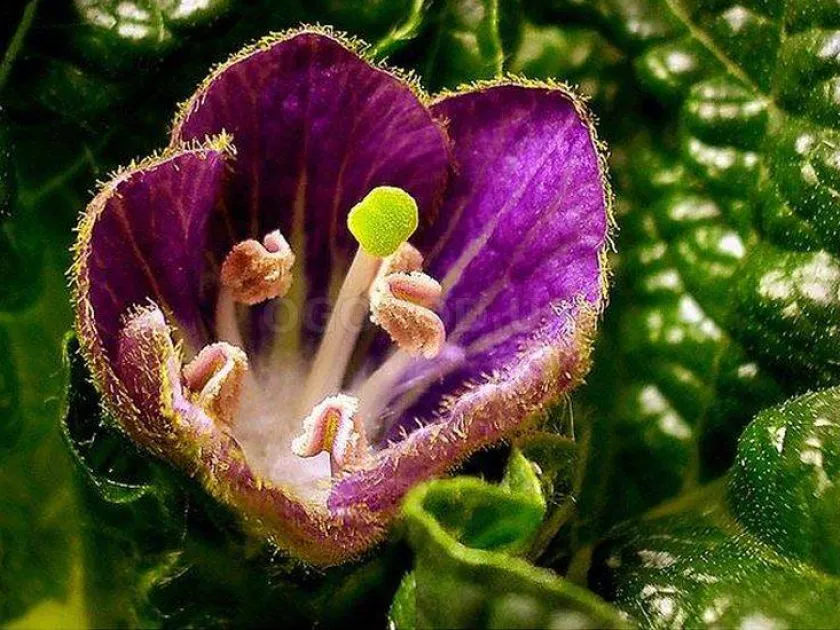
Description
Growing requirements
Mandragora turcomanica is a rare perennial herbaceous plant belonging to the Solanaceae family. It is a strictly regional endemic native to the southwestern Kopet Dag mountains in Turkmenistan, characterized by its unique biological properties.
Botanically, the plant consists of a massive, fleshy taproot and a rosette of large, broad leaves arranged at the base. It lacks a visible stem above ground, as the growing point remains protected within the soil or at the very surface level.
The cultivation of this species requires a soil environment that mimics its natural habitat: highly porous, aerated, and rich in minerals. A neutral or slightly alkaline pH is preferred, provided that the drainage is impeccable to avoid root rot.
Regarding climate, the plant thrives in areas with distinct seasonal cycles. It requires a temperate spring for active foliage growth and a very hot, dry summer, which triggers the onset of dormancy, during which the plant sheds all its aerial biomass.
Economically and scientifically, Mandragora turcomanica is recognized for its chemical composition, containing various tropane alkaloids. Due to its status as a highly endangered species, agricultural exploitation is strictly prohibited, focusing instead on conservation efforts.
Main diseases and pests
The primary threats to Mandragora turcomanica include habitat loss due to environmental changes and intense grazing. Anthropogenic pressure remains the most significant factor impacting the survival of wild populations in the Kopet Dag region.
In nursery or botanical garden conditions, the species is highly susceptible to root diseases caused by waterlogging. Fungal pathogens that thrive in moist, stagnant soil conditions often prove fatal to the fleshy storage root within a short period.
Insects such as aphids and spider mites can infest the leaf rosettes during the short spring growing season. While these pests are common for solanaceous plants, the low density and rarity of the species make effective integrated pest management essential.
Slug and snail damage is a critical concern, as these mollusks are attracted to the succulent leaves of the mandrake. Without protective barriers, they can destroy the entire leaf surface, weakening the plant before it can store sufficient energy for summer dormancy.
Lack of genetic diversity in controlled populations may lead to higher susceptibility to common plant diseases. Strict sanitary protocols are required to prevent the introduction of pathogens that could wipe out the limited collections currently in existence.