
Mountain nightshade
Solanum montanum
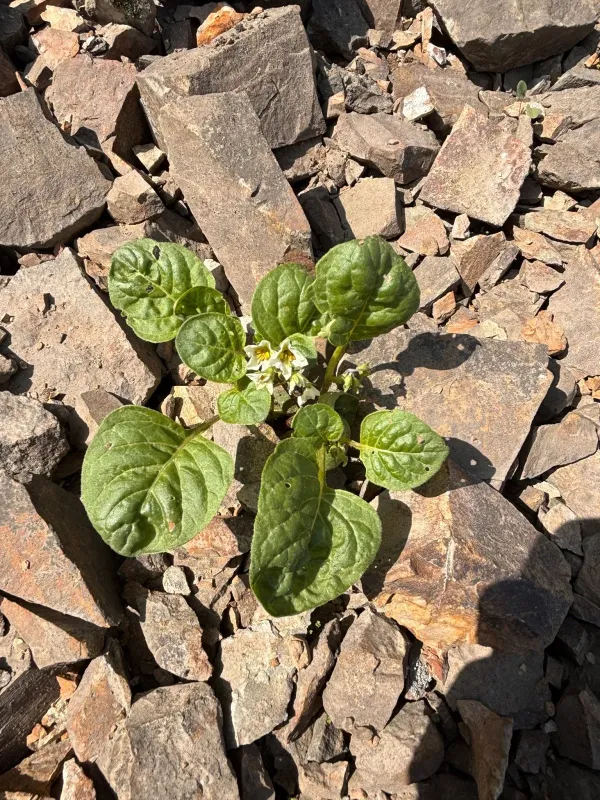
Description
Sowing dates
Sowing Solanum montanum requires a well-prepared, loose, and well-drained soil structure to ensure optimal seed-to-soil contact. The ideal time for planting is once soil temperatures reach a consistent range of 12-15 degrees Celsius, ensuring that the risk of frost has passed.
Seeds exhibit high viability but necessitate adequate soil moisture during the first two weeks of germination. Depending on the soil texture, the sowing depth should be maintained between one and two centimeters to promote uniform emergence.
For commercial-scale cultivation, it is recommended to maintain row spacing of approximately 60-70 centimeters. This configuration facilitates efficient mechanical weeding and ensures that each plant receives sufficient resources and light for healthy development.
Transplanting seedlings started in protected environments is a common practice to shorten the growing season. Seedlings are typically started 40-50 days before the anticipated field transplanting date, which significantly enhances the establishment success rate.
Acclimatization of seedlings is a critical step before field transfer. Gradual exposure to outdoor conditions strengthens the plant, making it more resilient to temperature fluctuations and environmental stressors found in mountain regions.
Growing requirements
Solanum montanum, a member of the Solanaceae family, is well-adapted to high-altitude or mountainous environments. The plant thrives under conditions of high solar radiation, requiring full exposure to sunlight throughout the day to support its physiological processes.
Well-drained sandy loam or light loamy soils are ideal for this crop. It prefers a neutral to slightly acidic pH level. Proper drainage is paramount, as waterlogged soil can lead to root system decay and the proliferation of soil-borne diseases.
While the plant exhibits moderate drought tolerance due to a deep-reaching root system, consistent moisture is vital during the flowering and fruit-setting stages. Supplemental irrigation ensures higher quality and yields, especially during extended dry spells.
Balanced fertilization focusing on potassium and phosphorus is recommended. These nutrients are essential for strong stem development and fruit maturity, while excessive nitrogen should be avoided to prevent over-abundant vegetative growth at the expense of productivity.
The optimal temperature range for growth is between 20-25 degrees Celsius. Protection from high, desiccating winds is beneficial, especially in exposed high-altitude areas where temperatures can drop rapidly during the night.
Yield
The yield of mountain nightshade is primarily determined by adherence to best agricultural practices and soil fertility. Under ideal conditions, the crop is highly productive, providing a steady supply of biomass and reproductive organs.
Factors influencing yield include effective weed control, timely nutrient application, and consistent moisture management. Utilizing intensive cultivation techniques can significantly enhance both the quantity and quality of the final harvest.
Harvesting should be conducted in stages based on the maturity level of the target organs. Minimizing mechanical damage during the collection process is essential for maintaining product integrity and extending post-harvest shelf life.
It is important to recognize that the genetic potential of specific populations or cultivars of Solanum montanum also plays a significant role in determining final yields in different geographic contexts.
Field hygiene is a crucial post-harvest step; immediate removal of crop residues helps prevent the build-up of pathogens that could compromise the success of subsequent planting cycles.
Main diseases and pests
Solanum montanum is susceptible to common pests associated with the Solanaceae family, including the Colorado potato beetle, various aphid species, and spider mites. These pests can cause significant damage to plant vigor if not monitored and treated promptly.
Fungal diseases such as late blight and early blight pose a threat, particularly in humid conditions. These pathogens can rapidly spread across the field, damaging the foliage and stems, and potentially resulting in significant yield loss.
Integrated Pest Management (IPM) strategies, which combine the judicious use of chemical treatments with biological controls, are recommended to protect the crops while minimizing environmental impacts.
Crop rotation remains the most effective prophylactic measure against soil-borne pathogens. A rotation cycle of at least three to four years without other nightshade crops is strongly advised to maintain soil health.
- Regular field scouting to identify early signs of infestation.
- Use of disease-resistant cultivars where available.
- Sanitation practices, including the removal of weeds that act as alternative hosts.