
Lycium hirsutum
Lycium hirsutum
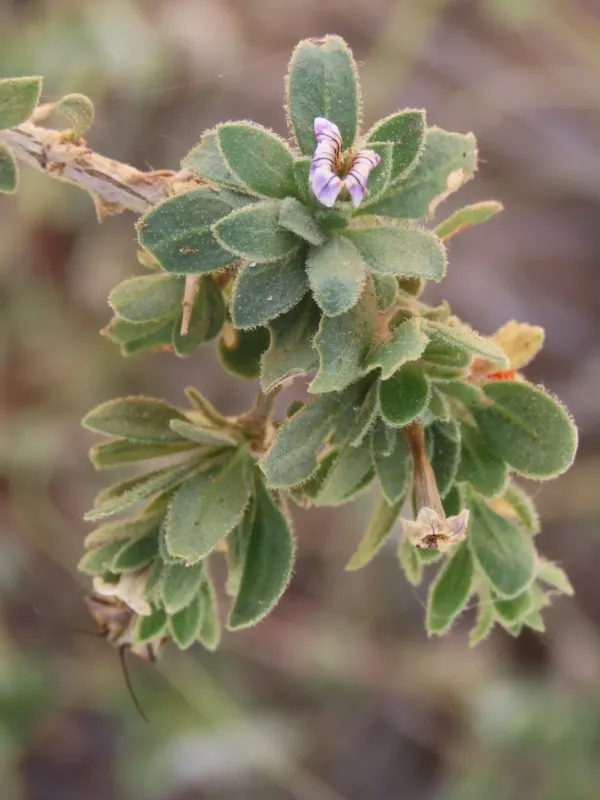
Description
Sowing dates
Lycium hirsutum is a perennial shrub belonging to the Solanaceae family. Propagation is primarily achieved through seeds or stem cuttings, depending on the scale of production and the specific agricultural goals of the enterprise.
Seeds are typically sown in early spring within greenhouses or nurseries. To ensure high germination rates, cold stratification is required for several weeks before sowing, which mimics natural seasonal cycles and breaks seed dormancy.
For vegetative propagation, semi-hardwood cuttings are selected during the active growing season. These cuttings are treated with rooting hormones and placed in a high-humidity environment to encourage the development of a robust root system before transplantation.
When preparing the field, spacing is critical for long-term health. Planting patterns should allow for sufficient airflow and light penetration, typically requiring a minimum of two to three meters between plants to prevent overcrowding.
Transplanting into the permanent field site should occur once the threat of frost has completely passed. The plant establishes a deep root system, which helps it stabilize in various soil types within the first season.
Growing requirements
This species is highly adapted to arid and semi-arid climates, thriving in regions with high solar radiation. It exhibits remarkable drought tolerance, making it an excellent candidate for regions where water scarcity limits other crop choices.
Soil requirements are flexible, but the plant performs best in well-drained, sandy or loamy soils with a neutral to slightly alkaline pH. It demonstrates a high tolerance to saline soil conditions, which is rare among many agricultural crops.
Sunlight is the most crucial environmental factor for the development of Lycium hirsutum. Full sun exposure is essential to maximize fruit production and ensure that the plant develops a dense, healthy canopy throughout the summer months.
Fertilization should be handled conservatively. Excessive nitrogen application tends to stimulate vegetative growth at the expense of fruit production, so balanced nutrient management is preferred for optimal yields.
Maintenance involves routine pruning to remove dead wood and encourage new growth. This practice not only improves the overall health of the shrub but also facilitates easier harvesting of the berries during the peak of the season.
Yield
The economic yield of Lycium hirsutum depends on the age and maintenance level of the plantation. The plants begin to produce fruit within a few years, reaching peak productivity by the fifth or sixth year of cultivation.
Harvesting is labor-intensive due to the prolonged ripening period. Since berries mature progressively, multiple harvest passes are necessary throughout the late summer and autumn to ensure only fully ripe fruit is collected.
Yields are generally moderate, but the high demand for medicinal and nutritional plant material makes this a valuable commercial crop. Proper post-harvest handling, including rapid cooling or dehydration, is necessary to preserve the active ingredients.
Yield stability can be improved through drip irrigation systems, which deliver precise amounts of water during the critical fruit-setting phase, preventing water stress and ensuring consistent berry size.
Quality control is vital, as the chemical profile of the fruit is the primary driver of market value. Standardized drying techniques are used to ensure the final product meets pharmaceutical and food industry safety specifications.
Main diseases and pests
As a member of the Solanaceae family, Lycium hirsutum is susceptible to common pests such as aphids and various species of beetles that feed on the foliage and tender new shoots during the spring.
Fungal diseases like powdery mildew pose a threat when high humidity occurs. These diseases can be managed through improved ventilation and avoiding overcrowding, which ensures that foliage dries quickly after rainfall.
Root rot is a potential risk if the soil lacks proper drainage. Careful site selection and irrigation management are the best preventative measures to protect the plant's long-term vitality in a commercial field.
Virus transmission by sap-sucking insects is another concern for growers. Integrated pest management (IPM) strategies, including monitoring and biological control, are highly recommended to minimize the use of synthetic chemicals.
Weed control is necessary during the early stages of establishment to reduce competition for nutrients and water, which otherwise could delay the plant's maturation and reduce its overall resistance to environmental stresses.