
Mandragora autumnalis
Mandragora autumnalis
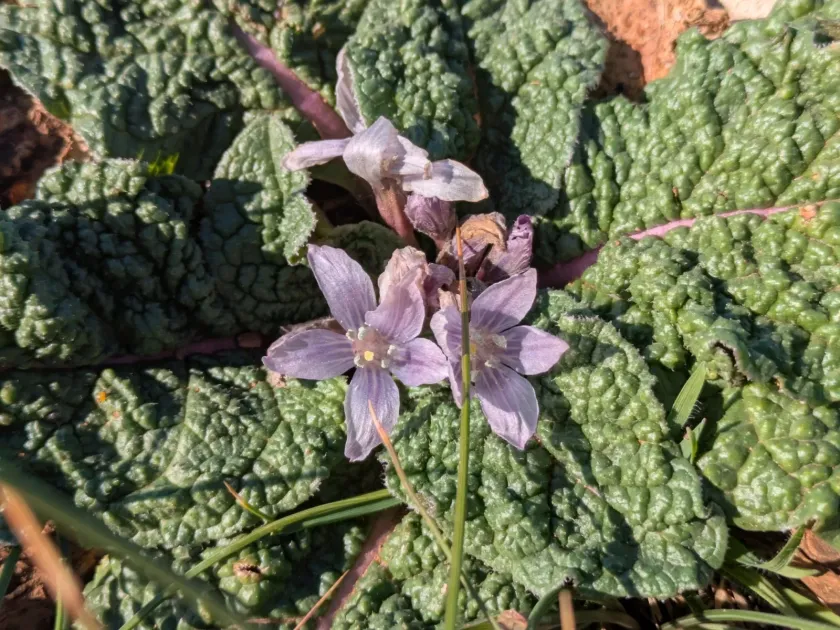
Description
Sowing dates
Propagation of Mandragora autumnalis is primarily achieved through seeds, as the plant is notoriously sensitive to root disturbance and does not tolerate transplanting of mature specimens.
Seeds require a period of cold stratification to break dormancy and ensure uniform germination, a process that should be simulated in controlled nursery conditions.
Sowing should be performed in a well-draining, sandy-based medium, covering seeds lightly and maintaining consistent but not excessive moisture during the germination phase.
Given the slow initial growth rate, young seedlings must be kept free of competing weeds to ensure they receive adequate light and nutrient resources.
Potting up seedlings is recommended during the early stages of development; this allows for successful transfer into permanent garden locations without damaging the taproot.
Growing requirements
As a member of the Solanaceae family, Mandragora autumnalis thrives in deep, loose, and well-drained soils that mimic its native Mediterranean habitats.
The plant exhibits a distinct dormancy cycle, requiring dry and warm conditions during the summer months when the foliage dies back completely to avoid heat stress.
Optimal growth occurs during the cool, wet autumn and winter months, making the plant well-suited for temperate climates with mild, frost-free winters.
A sunny, sheltered location is preferred to ensure robust development of the large leaf rosettes and to facilitate the proper maturation of the floral stalks.
Soil pH should ideally be neutral to slightly alkaline, and excessive fertilization—particularly with high-nitrogen compounds—should be avoided to prevent weak growth.
Main diseases and pests
Root rot is the most significant threat to the health of Mandragora autumnalis, often triggered by waterlogged soil during the winter or summer months.
Pests such as slugs and snails can cause severe defoliation of the lush, low-lying leaves, especially in moist and temperate growing environments.
Bacterial soft rot can occur if there is standing water within the crown of the leaf rosette, necessitating careful planting at a slight angle or on a slope.
Aphids may infest the flower stalks during the spring, requiring prompt intervention with appropriate horticultural soaps or biological control agents.
Maintaining adequate air circulation and keeping the area around the base of the plant free of debris helps significantly reduce the incidence of fungal pathogens.
Harvesting
Harvesting of Mandragora autumnalis must be approached with extreme caution, as the plant contains potent alkaloids that can be harmful if handled improperly.
Roots are traditionally harvested only after several years of growth, during the dormant season, to ensure that the plant has reached sufficient biological maturity.
The berries, which contain the seeds, should be harvested when fully ripe, indicated by their color change and development of a distinctive, strong scent.
Proper protective equipment, including gloves and long sleeves, is essential to prevent skin contact with the sap, which can cause irritation or systemic effects.
Post-harvest processing should be conducted in a controlled environment to ensure that the material is dried or stored according to rigorous safety and quality standards.