
Leucophyllum hybrids
Leucophyllum hybrids
Description
Growing requirements
Leucophyllum hybrids are perennial evergreen shrubs belonging to the Scrophulariaceae family. They are popular cultivars derived from species native to the arid regions of the southwestern United States and northern Mexico, primarily known for their extreme drought tolerance.
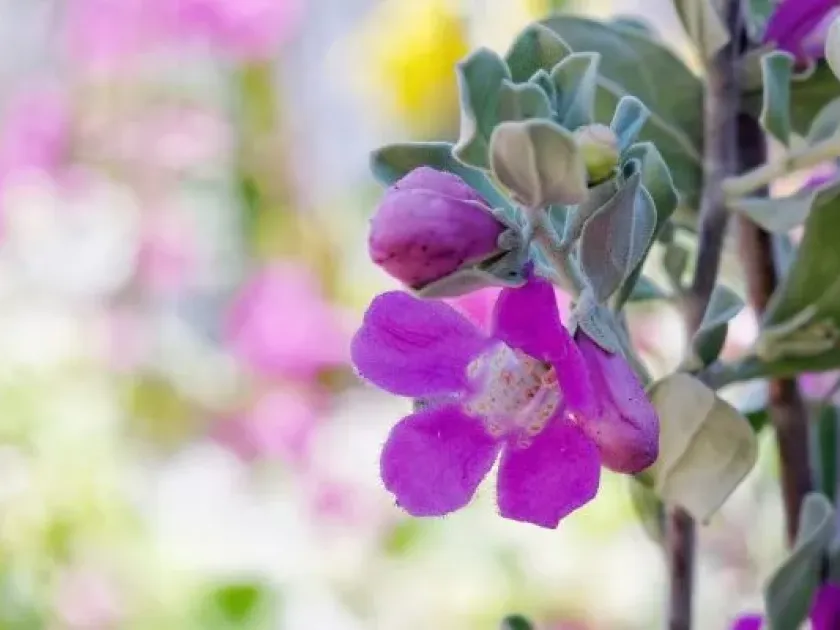
Botanical characteristics include distinctive silver-grey foliage, which is often densely covered with fine hairs that reflect sunlight and minimize transpiration. The plant produces prolific bell-shaped flowers, often triggering blooming in response to high humidity or rainfall.
To thrive, this crop requires full sun exposure for the majority of the day. Planting sites must be well-drained, as the root system is highly susceptible to rot when exposed to prolonged damp or waterlogged conditions.
Soil requirements for Leucophyllum are quite flexible, provided the drainage is excellent. It performs exceptionally well in sandy, rocky, or caliche-based soils. While it can handle poor nutrient soil, light fertilization in the spring can enhance vegetative vigor.
Agrotechnical maintenance focuses on structural pruning. Regular trimming after the main flowering cycles helps to maintain a dense, compact habit and prevents the plant from becoming leggy or overgrown in a landscape setting.
Main diseases and pests
The most significant threat to Leucophyllum hybrids is root rot, typically caused by the oomycete Phytophthora. This disease is almost always linked to poor drainage or over-irrigation, which creates an anaerobic environment for the roots.
Pests are generally not a major concern due to the plant's natural essential oils. However, mealybugs or aphids may occasionally infest the plant, particularly if the specimen is stressed or planted in a location with poor air circulation.
Spider mites can become a nuisance during periods of extreme heat and drought if the foliage is not sufficiently hydrated. Monitoring for fine webbing on the undersides of the leaves is a key part of standard crop inspection.
Proper sanitation is essential to mitigate threats. Removing fallen leaves and dead wood from the base of the plant reduces the risk of fungal spores taking hold during humid spells, ensuring long-term plant health.
Management of these threats is predominantly proactive. By ensuring correct spacing, avoiding overhead irrigation, and maintaining optimal soil aeration, most disease and pest issues are effectively prevented without chemical intervention.