
Anemia hirta
Anemia hirta
Description
Growing requirements
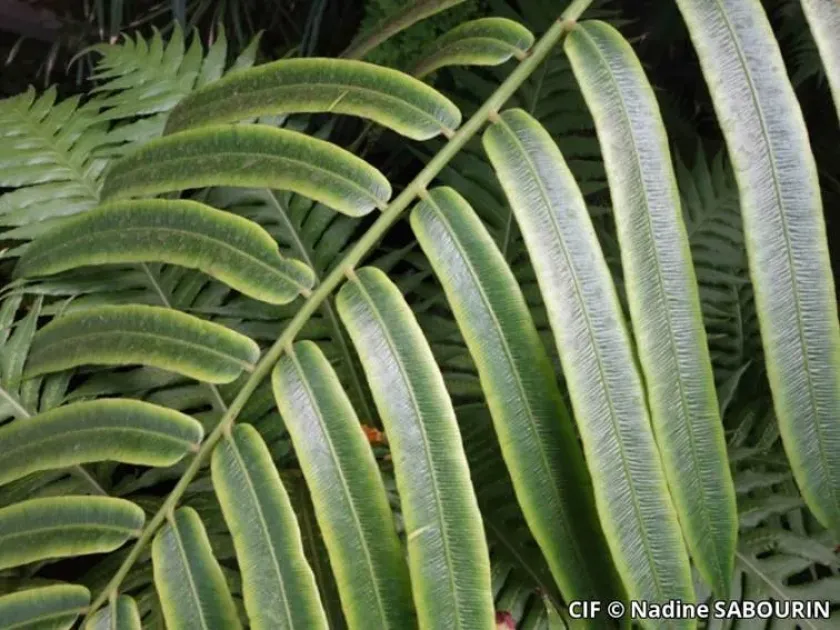
Anemia hirta is a distinct species of fern belonging to the Anemiaceae family. It is native to tropical regions of South America, typically thriving in forest understories where humidity remains consistently high.
The plant is characterized by its stiff, coriaceous fronds and a specific reproductive system where the sporophylls are notably modified. It is primarily valued in botanical collections for its unique habit and texture.
To cultivate Anemia hirta successfully, one must maintain a high level of atmospheric humidity. The substrate should be loose, well-draining, and rich in organic matter to mimic the natural forest floor conditions.
This fern requires filtered, indirect light to develop properly. Exposure to harsh, direct sunlight will quickly damage the fronds and lead to physiological stress for the specimen.
Stable environmental conditions are crucial, with ideal temperatures ranging between 18 and 24 degrees Celsius. It is essential to avoid fluctuations in temperature and cold drafts during the winter months.
Main diseases and pests
Like many tropical ferns, Anemia hirta is susceptible to common greenhouse pests such as scale insects, spider mites, and mealybugs. Early detection is key to maintaining the plant's health and appearance.
Pathogenic fungi are a significant threat if the soil remains waterlogged or if there is insufficient air circulation around the foliage. Proper sanitation and drainage are the best defenses against rot-related issues.