
Anemia wrightii
Anemia wrightii
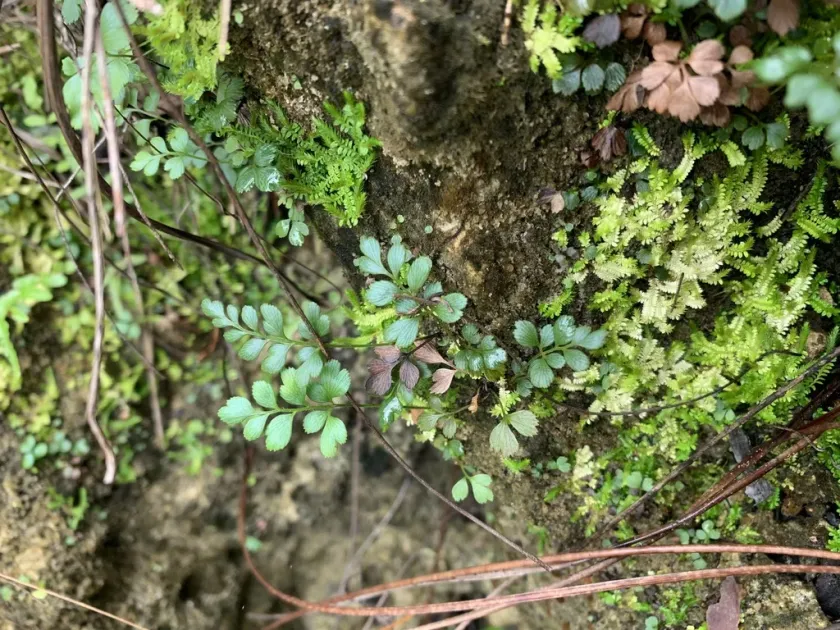
Description
Growing requirements
Anemia wrightii is a distinguished species within the Anemiaceae family, known for its unique growth pattern and specific habitat requirements. Native primarily to the Caribbean region, particularly Cuba, this fern has evolved to colonize limestone rocks and narrow crevices where few other plants can thrive.
The cultural success of this plant depends heavily on mimicking its natural lithophytic habitat. Growers should utilize a specialized substrate consisting of crushed limestone, pumice, and minimal organic matter, which ensures both excellent drainage and the alkaline pH levels that this species requires for nutrient uptake.
Regarding climate, the plant demands high ambient humidity and moderate temperatures that mimic its native tropical mountain environment. It thrives in well-ventilated areas where air circulation is constant, as stagnant air often leads to the development of opportunistic bacterial and fungal diseases on the fronds.
Its agronomic management requires precise irrigation techniques, emphasizing the need for soft, mineral-free water. Over-fertilization is a major risk factor for Anemia wrightii; therefore, only dilute, balanced fertilizers should be applied sparingly during the active growth season, if at all.
In terms of horticultural utility, this fern is highly valued by specialized collectors and botanical institutions as a rare specimen plant. Its inclusion in commercial greenhouse production is limited by the labor-intensive requirements of maintaining its delicate ecological balance, making it a masterpiece for advanced hobbyists.
Main diseases and pests
The primary threats to Anemia wrightii include root rot and stem decay, which are triggered by waterlogging and poor substrate aeration. Maintaining a strict watering schedule that allows the substrate to breathe between applications is the most effective preventative measure against these conditions.
Pest pressures primarily include spider mites, which thrive in environments where humidity levels are allowed to drop too low. Furthermore, scale insects can be problematic due to their ability to hide in the complex structures of the fern fronds, necessitating regular inspection and gentle mechanical removal.