
Anemia portoricensis
Anemia portoricensis
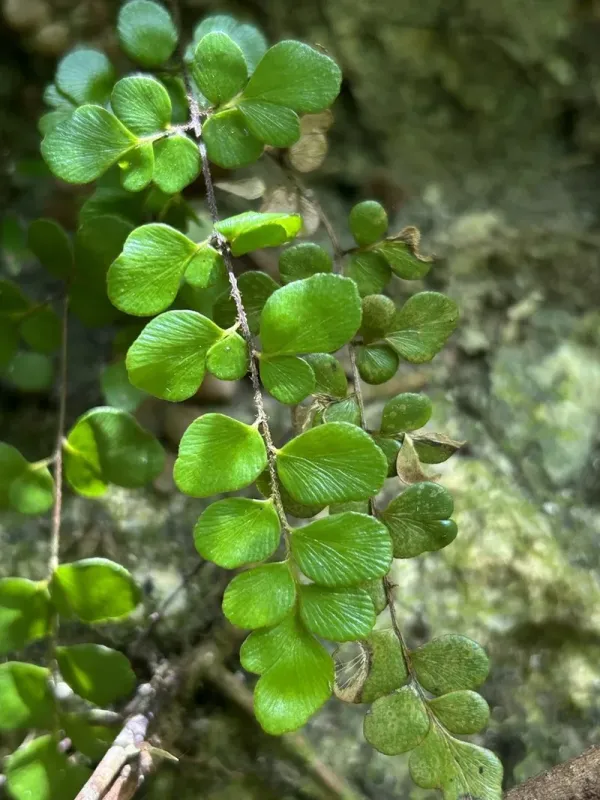
Description
Growing requirements
Anemia portoricensis is a distinct fern species belonging to the Anemiaceae family. Unlike conventional agricultural crops, this plant is primarily recognized for its scientific and ornamental value, often found in specialized botanical collections rather than commercial production fields.
The native distribution of this fern is focused on the Caribbean, particularly Puerto Rico. It typically thrives in specialized microhabitats such as limestone crevices, which provide the specific mineral content and structural support necessary for the species to establish its rhizomatous root system.
The botanical structure of this fern is highly notable due to its dimorphic fronds. The fertile segments are distinctly separated from the vegetative ones, appearing almost like a panicle of flowers. This evolutionary adaptation serves to optimize the dispersal of spores within its humid forest environment.
Cultivation requirements for this species are demanding, focusing on substrate composition and environmental stability. The growing medium should be well-draining and rich in calcium, mimicking the alkaline nature of limestone soils, which is essential for the healthy development of the rhizomes.
For successful management, consistent environmental humidity is vital. Exposure to direct sunlight should be avoided to prevent foliar scorch, and the temperature must be kept within a tropical range. Proper ventilation is also required to prevent fungal pathogens from proliferating in the dense foliage structure.