
Anemia phyllitidis
Anemia phyllitidis
Description
Growing requirements
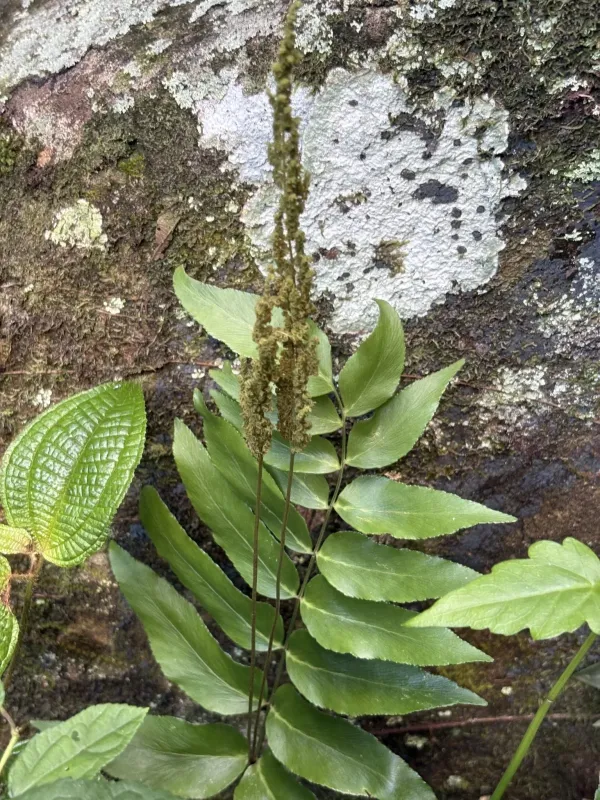
Anemia phyllitidis is a distinct species of fern within the family Anemiaceae, known for its unique morphological features. Unlike common ferns, it produces specialized fertile fronds that clearly distinguish it from vegetative foliage, making it a sought-after specimen for botanical collections.
This fern is native to the humid tropical forests of Central and South America. In its natural habitat, it thrives in shaded, moist environments, often establishing itself along stream banks or on forest floors where the organic layer is deep and consistently damp.
Botanically, it features a creeping rhizome covered in hairs or scales. The fronds are pinnate, with the reproductive structures being carried on elongated stalks that rise distinctly above the vegetative leaves, contributing to its scientific and common interest as a primitive type of fern.
To successfully cultivate this fern, a stable climate is essential. Temperatures should be maintained between 18°C and 25°C. The plant is highly sensitive to cold drafts and rapid temperature fluctuations, which can cause significant stress and leaf drop.
The substrate must be light, airy, and acidic. A high-quality mix for Anemia should include peat, leaf mold, and small bark pieces. It is vital to keep the potting medium moist but never waterlogged to ensure the health of the delicate root system.
Main diseases and pests
Fungal pathogens represent the most significant threat to Anemia phyllitidis, particularly under conditions of poor ventilation. Root rot and foliar spots can spread rapidly if the substrate stays too wet for extended periods, necessitating the use of systemic fungicides.
Insect pests such as mealybugs and scale insects often congregate on the undersides of the pinnae. These pests are notoriously difficult to remove due to the delicate texture of the foliage, making preventative inspection and targeted insecticide applications highly recommended.
Spider mites are a common issue in indoor environments with low humidity. They weaken the plant by feeding on the sap, causing the foliage to lose its vibrant green color and eventually wither. Maintaining ambient humidity above 65% is the best natural deterrent.
Water quality is critical; the use of hard or chlorinated tap water can lead to mineral salt accumulation in the substrate. This causes tip burn and yellowing of the fronds, which severely reduces the plant's ornamental value and overall vigor.
Insufficient light or exposure to direct sunlight can hinder the plant's development. While it prefers shade, absolute darkness results in weak, leggy growth. Providing bright, indirect light is the key to maintaining a compact and healthy fern structure.