
Anemia adiantifolia
Anemia adiantifolia
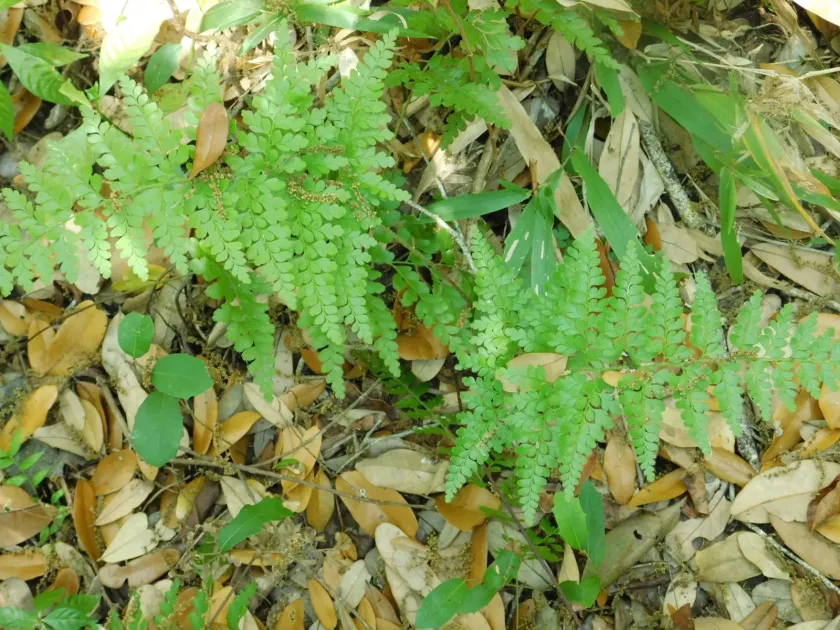
Description
Growing requirements
Anemia adiantifolia is a distinctive perennial fern belonging to the Anemiaceae family, recognized for its unique dimorphic fronds. The plant displays significant morphological differences between the sterile green fronds and the fertile reproductive fronds, which are often taller and more branched.
Native to the Americas, including Florida, Mexico, and the Caribbean, this fern thrives in rocky limestone environments and shaded forest floors. Its natural distribution highlights its adaptation to well-drained, nutrient-rich soils that are often slightly alkaline or neutral.
For successful cultivation, Anemia adiantifolia requires a high-humidity environment and consistent temperatures, avoiding extreme heat or cold drafts. It performs best in partial shade, mimicking the filtered light conditions found under a natural forest canopy.
The growing substrate must be light, airy, and well-draining to prevent waterlogging, which is a major cause of failure in fern cultivation. Regular, moderate irrigation is preferred over heavy watering, ensuring that the soil remains moist but never saturated for prolonged periods.
While primarily cultivated as a hobbyist plant, it serves as an excellent specimen for botanical collections and greenhouses. Its delicate aesthetic makes it highly sought after by collectors who can provide the specialized microclimate conditions it needs to flourish.
Main diseases and pests
The primary threats to Anemia adiantifolia include root rot caused by stagnant water or excessively heavy soil mixtures. Proper drainage and aeration are essential to keep the root zone healthy and to prevent the colonization of pathogenic soil fungi.
Common indoor pests such as scale insects, mealybugs, and spider mites can severely stress the plant. Keeping the foliage clean and maintaining adequate ambient humidity levels are effective natural strategies to deter these pests from establishing colonies.
Fungal infections of the fronds, often manifesting as black or brown spots, can occur if the leaves remain wet for too long without adequate ventilation. It is important to water directly at the base of the plant to keep the delicate fronds dry and healthy.
Nutrient imbalances, particularly over-fertilization, can cause leaf tip burn in this sensitive species. It is recommended to use water-soluble fertilizers at half the recommended strength to ensure the plant receives essential minerals without risking salt buildup in the container.
Leaf nematodes pose a risk if the environment becomes overly humid without proper airflow. Maintaining a balance between humidity and air circulation is the most effective preventative measure for ensuring long-term plant health and vigor.