
Anemia rotundifolia
Anemia rotundifolia
Description
Growing requirements
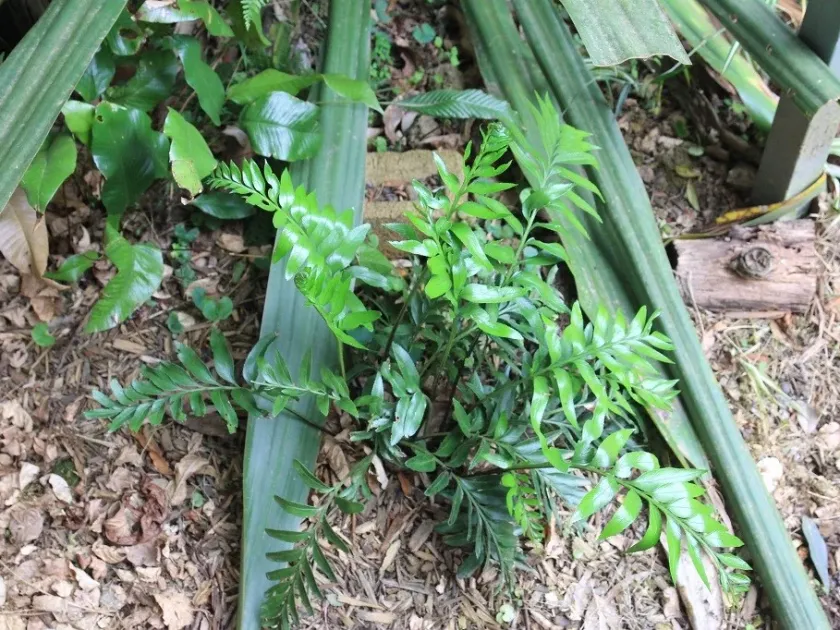
Anemia rotundifolia is an intriguing species of fern belonging to the family Anemiaceae. Originating from the tropical regions of Central and South America, this plant is highly regarded for its unique morphological features, which distinguish it from more common ornamental ferns found in greenhouses.
The plant exhibits dimorphic fronds: sterile fronds are characterized by rounded pinnae, while fertile fronds are uniquely branched and bear sporangia in a way that resembles a small inflorescence. This structural complexity is a signature trait of the genus Anemia, often attracting the attention of botanists and collectors.
To thrive, this fern requires a highly specific microclimate, mirroring the humid and warm conditions of its natural tropical habitat. It prefers diffused light, as direct sunlight can easily damage the delicate tissues of the fronds, leading to permanent bleaching and tissue necrosis.
The cultivation medium must be light, airy, and rich in organic matter. A mixture of peat, perlite, and shredded bark is generally recommended to ensure adequate drainage and oxygenation of the root zone, as the roots are highly susceptible to rot under conditions of poor soil aeration.
The primary use of Anemia rotundifolia is in ornamental horticulture, specifically for indoor displays and specialized botanical collections. Its slow growth rate and specific environmental demands make it a premium species for hobbyists who maintain controlled climate environments, such as terrariums or glasshouses.
Main diseases and pests
Common pests include spider mites, which thrive in low-humidity conditions, and mealybugs that can hide in the dense growth of the fronds. Regular inspection of the plant and maintaining appropriate atmospheric humidity are the best strategies for preventing severe infestations of these pests.
Fungal pathogens and root rots are the most common diseases, usually resulting from overwatering or poorly draining soil mixtures. Providing proper ventilation and allowing the top layer of the substrate to dry slightly before the next watering session is critical for avoiding these physiological problems.