
Sarracenia leucophylla
Sarracenia leucophylla
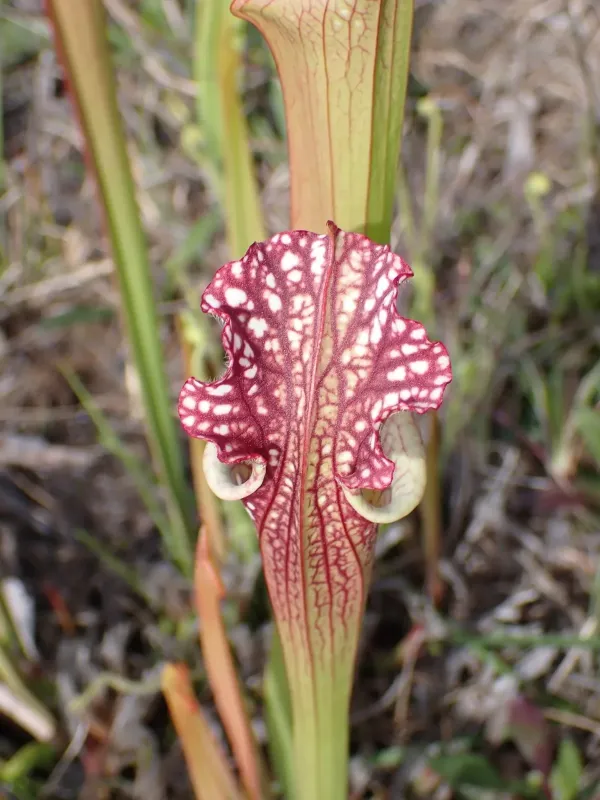
Description
Sowing dates
Propagation of Sarracenia leucophylla is primarily achieved through seeds, which require a cold stratification period of 4–8 weeks. This process simulates the natural winter dormancy needed to trigger the germination mechanism within the embryo.
Seeds should be sown on the surface of a moist, nutrient-poor substrate like sphagnum peat moss mixed with perlite. Light is essential for germination, so seeds must not be buried deeply beneath the soil layer.
Vegetative propagation involves dividing the rhizome during the early spring before the new growth cycle begins. Ensure that each division contains at least one active growth point and a section of the healthy root system.
Young plants require high humidity and stable temperatures to transition from seedlings to mature specimens. Using a greenhouse or a humidity dome can significantly improve the success rate during the critical establishment phase.
The optimal time for starting seeds is late winter, allowing the plants to take advantage of the increasing daylight hours throughout spring. Consistent moisture levels are crucial during this formative stage of plant development.
Growing requirements
Sarracenia leucophylla, commonly known as the white-top pitcher plant, belongs to the Sarraceniaceae family. It is native to the Gulf Coast region of the United States, growing naturally in wet, acidic, and nitrogen-poor habitats.
This species thrives in full sun, requiring at least six hours of direct sunlight daily to develop its signature white and red veined lids. In low light, the pitchers become stunted and lose their vibrant color.
The substrate must be strictly acidic and free of any minerals or fertilizers. A mixture of peat moss and perlite is the standard for long-term health, as fertilizers can effectively burn the sensitive roots of the plant.
Water quality is paramount; only distilled, rain, or reverse osmosis water should be used. Municipal tap water often contains mineral deposits that accumulate in the soil and cause severe toxicity to the plant over time.
During the growing season, keep the pot in a shallow tray filled with water to ensure the media remains consistently saturated. In winter, the plants enter a dormant phase, during which they should stay damp but not waterlogged.
Main diseases and pests
Aphids are the most common pests found on Sarracenia leucophylla, often clustering inside the young pitchers. They feed on the plant's sap, leading to distorted leaf growth and potentially attracting secondary fungal issues.
Spider mites can become a nuisance if the plant is kept in an area with poor ventilation and low humidity. Their presence is usually indicated by fine webbing and yellowing patches on the surface of the pitchers.
Fungal infections, such as Rhizome Rot, are typically caused by stagnant air and excessive soil moisture during the colder, dormant months. Proper air circulation is the most effective preventative measure for these pathogens.
Mealybugs may occasionally hide in the crevices where the leaves attach to the rhizome. Regular inspections allow for the early detection and manual removal of these pests before they spread to other parts of the plant.
When using pest control products, one must strictly avoid systemic insecticides containing harsh chemicals that might harm the carnivorous trapping mechanism. Biological controls or manual cleaning are generally preferred methods for maintaining plant health.