
Sarracenia wrigleyana
Sarracenia x wrigleyana S. G.
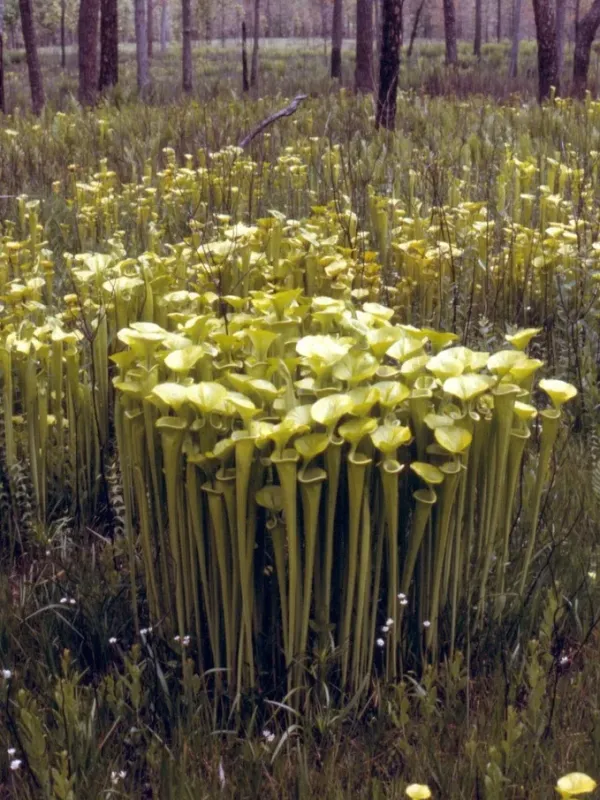
Description
Growing requirements
Sarracenia wrigleyana is a hybrid carnivorous plant belonging to the Sarraceniaceae family. It is a cross between Sarracenia leucophylla and Sarracenia psittacina. Originating from the wetland environments of North America, this plant is highly prized for its decorative pitcher-shaped leaves that trap insects.
The botanical structure consists of tubular, modified leaves that act as traps. The coloration is often intricate, featuring veins and patterns that change depending on the light exposure. They typically reach a size of 15 to 30 centimeters in height, making them suitable for containers or specialized bog gardens.
The substrate must be strictly acidic and nutrient-poor, consisting of a mix of peat moss and perlite or silica sand. It is vital to avoid any conventional garden soil or potting mix containing added fertilizers, as the roots are sensitive to mineral salts which can cause rapid necrosis.
Abundant sunlight is a fundamental requirement for the healthy development of this species. It requires full sun exposure for several hours daily to maintain its vibrant coloration and sturdy structure. In indoor conditions, it may require artificial grow lights if natural light is insufficient.
Watering must be done exclusively with distilled water, rainwater, or deionized water. The plant should be grown using the tray method, keeping the base of the pot sitting in a shallow layer of water to ensure the soil remains consistently moist, replicating its natural bog habitat.
Main diseases and pests
Common pests that can affect the plant include aphids, spider mites, and mealybugs. These pests target the new growth and the pitchers, causing stunted growth and tissue damage. Immediate removal of affected areas or the use of mild, safe insecticides is recommended.
Fungal issues, particularly root rot or grey mold, are the primary diseases, usually triggered by poor airflow and excessive humidity around the crown of the plant. Maintaining proper ventilation and ensuring the plant has enough light are key preventative measures against pathogen development.