
Mountain pitcher plant
Sarracenia oreophila
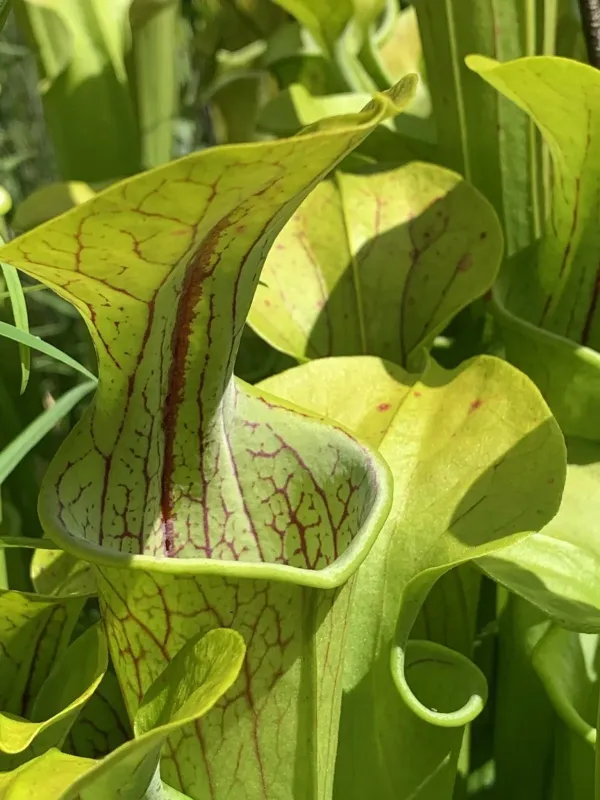
Description
Sowing dates
Propagation of Sarracenia oreophila is typically achieved through seed sowing or rhizome division. Seeds require a mandatory cold stratification period for at least 4 to 6 weeks to break dormancy.
The ideal time to sow seeds is late winter or early spring in a controlled environment. A high-humidity container is recommended to ensure the seeds germinate effectively.
Rhizome division is the preferred method for established plants. This should be performed during early spring, immediately before the active growth season begins.
When dividing, ensure each segment contains a healthy rhizome section and several roots. Replant in fresh, nutrient-poor substrate to promote immediate establishment.
Growth from seed is a slow process, and it can take several years before the plant develops its iconic, fully functional pitcher-shaped leaves.
Growing requirements
The mountain pitcher plant belongs to the Sarraceniaceae family and is native to mountainous bogs in the southeastern United States. It is a rare species that thrives in specialized habitats.
The potting medium must be devoid of minerals and nutrients. A mixture of long-fibered sphagnum moss or high-grade peat moss mixed with perlite is the gold standard for this species.
The plant demands high-intensity light. Providing full sun is essential for the production of chlorophyll and the distinct pigmentation of its pitchers.
Water quality is paramount; only distilled, rainwater, or deionized water should be used. Never use tap water as the chlorine and minerals will quickly kill the root system.
A distinct winter dormancy is required for the plant to remain healthy. During this period, growth slows significantly, and temperatures should be kept cool, between 2°C and 10°C.
Main diseases and pests
Fungal infections are the most common issue, typically caused by stagnant air and excess moisture. Maintaining good airflow is critical for long-term survival.
Pests such as aphids and spider mites can infest the delicate pitchers, causing stunted growth. These should be treated with appropriate horticultural oils or mild insecticides.
Root rot is almost always a result of using poor water or contaminated growing media. Once the roots are affected, the recovery of the rhizome is challenging.
The plant is highly susceptible to competition from weeds or faster-growing mosses in the container. Regular maintenance of the soil surface is necessary.
Being an endangered species, it is crucial to avoid environmental stress. Providing conditions that closely mimic its natural boggy habitat prevents most common ailments.