
Canistel
Pouteria lucuma (Ruiz et Pav.) Kuntze
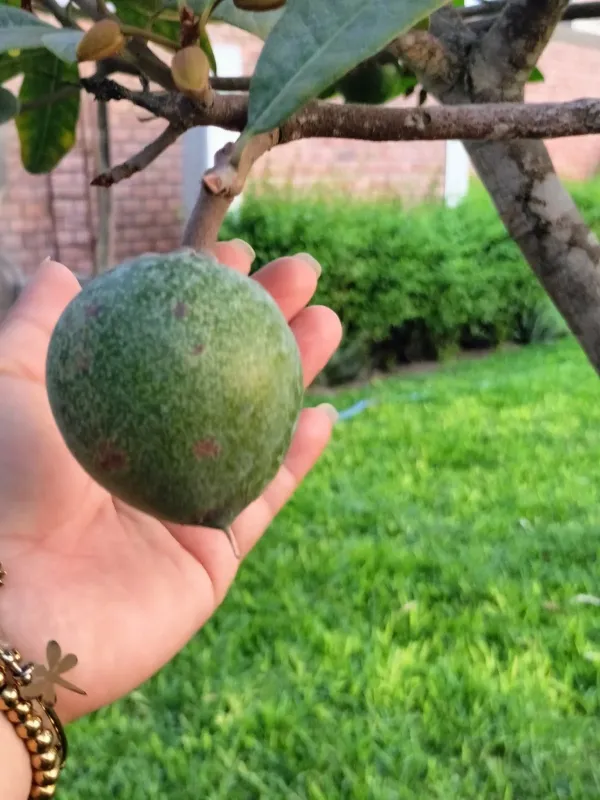
Description
Growing requirements
Canistel (Pouteria lucuma) is a long-lived evergreen fruit tree belonging to the Sapotaceae family. The tree typically reaches a height of 10 to 20 meters, featuring dense foliage and glossy, leathery green leaves that provide year-round shade.
Native to the Andean valleys of South America, this species thrives in tropical and subtropical highlands. It is notably resilient to cooler temperatures compared to other tropical fruits, allowing it to adapt to various altitudes in its native range.
For successful growth, Canistel requires well-draining, fertile soil that prevents waterlogging. It is relatively adaptable to different soil types, including sandy or loamy textures, provided there is adequate aeration for the root system.
Climate-wise, the tree prefers locations with full sun exposure and protection from strong, persistent winds. While it can handle mild dry spells, supplemental irrigation is critical during the initial establishment period and peak fruit development.
Effective management includes regular maintenance of the canopy and minimal pruning to encourage healthy branching. It is a slow-growing tree that benefits from consistent organic fertilization during the active growing season.
Yield
The yield of Canistel is highly valued for its unique custard-like flesh. A healthy, mature tree can produce a substantial harvest of spherical to oval fruits, which are processed into purees, shakes, and various bakery products.
Main diseases and pests
The plant is susceptible to common pests such as scale insects, mealybugs, and fruit flies. Preventive measures, such as monitoring leaf undersides and maintaining good air circulation, are essential to minimize disease and pest infestation.
Harvesting
Harvesting is performed when the fruit turns a vibrant, deep yellow or orange. As the fruit matures on the tree, it should be harvested with care as the skin is delicate and prone to bruising, which may affect its shelf life.