
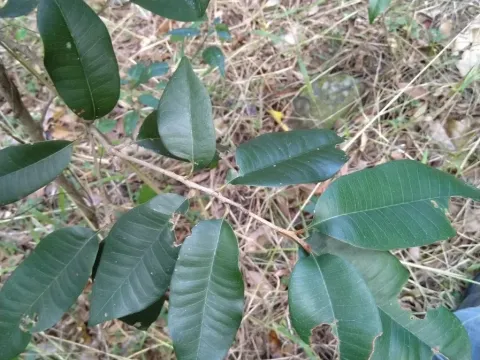
Amorphospermum
Amorphospermum
Amorphospermum is a genus of trees belonging to the Sapotaceae family, native to the tropical rainforests of Australia, particularly Queensland. These trees are well-adapted to warm, humid environments where temperature fluctuations remain minimal throughout the year.
What the section contains

Amorphospermum
Successful cultivation of Amorphospermum requires a tropical climate with consistent warmth, as the species is highly sensitive to frost. Adequate air humidity is essential for maintaining the physiological functions of the plant, especially during the growth stages of new leaves and fruit development.
The soil profile for this crop should be deep, fertile, and characterized by excellent drainage. Waterlogging is a significant stress factor for Amorphospermum, often leading to root rot and diminished tree vitality. A slightly acidic to neutral soil pH is ideal for nutrient uptake.
Botanically, the genus is known for its leathery foliage and distinctive seeds, which are a defining feature of its reproductive structure. Trees can achieve considerable size in their natural habitat, and when cultivated, pruning is often necessary to maintain accessibility and optimize canopy light penetration.
The economic potential of Amorphospermum lies in its edible fruit and potential timber qualities characteristic of the Sapotaceae family. Ongoing agricultural research focuses on improving yield potential and understanding the ecological needs required for sustainable plantation management.
Fungal pathogens pose the primary threat to Amorphospermum, especially in regions with high rainfall and poor canopy ventilation. Leaf spot diseases are common, which can lead to significant defoliation if left unmanaged by proper cultural practices.
Insect pests such as scale insects and mealybugs represent a recurring challenge for tropical fruit trees. These pests congregate on the underside of leaves and stems, sucking sap and weakening the plant's ability to produce quality fruit.
Integrated Pest Management (IPM) strategies are recommended to maintain the health of Amorphospermum orchards. This includes monitoring for pest thresholds and using targeted biological control agents whenever possible to protect local ecosystems.
Sanitation is a vital component of disease control. Clearing debris under the canopy reduces the inoculum source for soil-borne pathogens and fungal spores, thereby protecting the root zone and trunk base from common infections.
Ensuring proper spacing between trees during initial planting is an effective preventative measure. Increased air circulation helps keep the foliage dry, which significantly reduces the incidence and spread of many foliage-related diseases.