
Chrysophyllum lacourtianum
Chrysophyllum lacourtianum
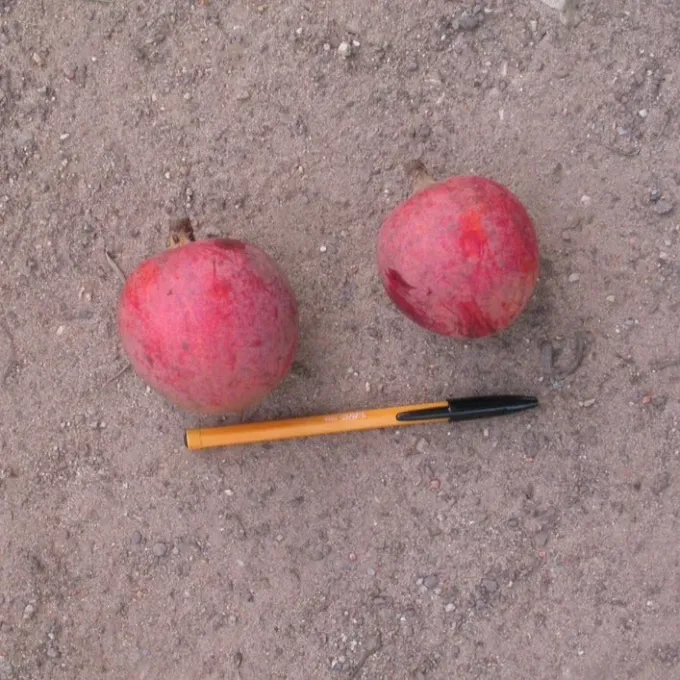
Description
Growing requirements
Chrysophyllum lacourtianum is a prominent member of the Sapotaceae family. This evergreen tropical tree is known for its dense foliage and significant height, which can reach several meters in optimal natural conditions.
Originating from the tropical regions of Africa, this plant thrives in environments characterized by high humidity and consistent tropical temperatures. It is a key component of the rainforest structure where it finds its ecological niche.
The cultivation requirements focus on fertile, well-draining soils rich in organic matter. Waterlogged conditions must be avoided to prevent root rot, which is one of the primary concerns for plantation managers.
Agricultural management requires careful climate monitoring, as the species is sensitive to extreme temperature shifts. Maintaining a stable environment is essential for the healthy development of both seedlings and mature specimens.
Shade management is crucial during the early stages of growth, as the plant naturally adapts to the lower canopy levels of its native habitat before requiring more sunlight as it matures.
Harvesting
The primary agricultural utility of Chrysophyllum lacourtianum lies in its edible fruits. These fruits are locally prized for their nutritional profile and unique sensory characteristics, including a distinct flavor.
Consumption of the fruit is largely focused on fresh intake, providing essential vitamins and minerals. The crop is considered an important food resource for local communities within its native range.
Beyond its culinary value, the tree provides timber that is recognized for its durability and structural strength. This makes it a multi-purpose crop, benefiting both the local food and timber industries.
The harvesting process involves manual picking, which ensures that only mature fruit is selected for storage and consumption. This traditional method helps in maintaining the quality of the harvested produce.
Future agricultural prospects involve scientific studies aimed at enhancing the yield stability of this species, ensuring a sustainable contribution to regional economies and improved agroforestry practices.