
Mamey sapote
Pouteria sapota (Jacq.) H.E. Moore et Stearn
Description
Growing requirements
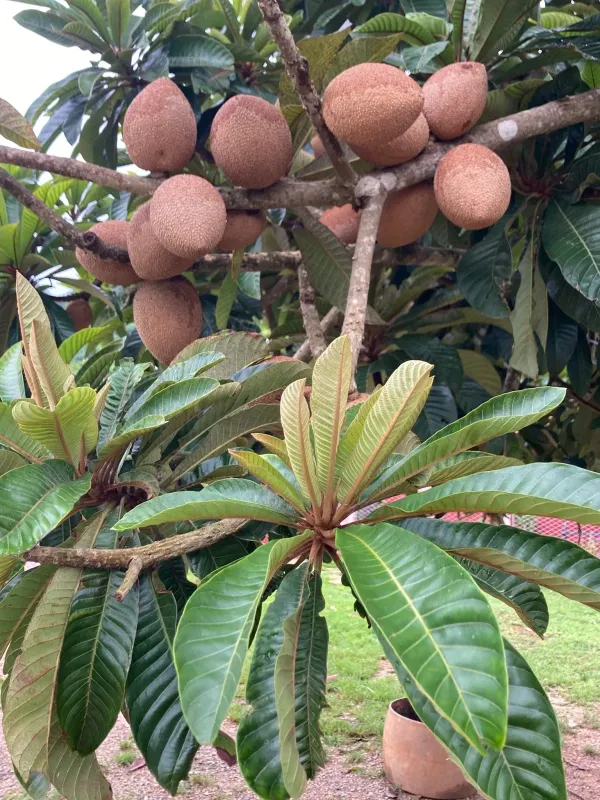
Mamey sapote (Pouteria sapota) is a large evergreen tree belonging to the Sapotaceae family, native to tropical regions of Mexico and Central America. The tree is known for its majestic, spreading canopy and distinctive large, elliptical leaves that can reach significant lengths.
The crop thrives in tropical environments, requiring consistent temperatures ranging between 20°C and 30°C. It is extremely sensitive to frost; even mild temperatures near freezing can cause severe damage to the foliage and terminal branches, often hindering the plant's growth for years.
Regarding soil requirements, Mamey sapote needs deep, fertile, and well-drained soil. It is highly intolerant of waterlogged conditions, which can lead to rapid root rot. The ideal soil pH is slightly acidic to neutral, allowing the plant to uptake nutrients efficiently from the soil.
Cultural management involves maintaining moderate moisture levels. While mature trees demonstrate some tolerance to short dry spells, supplemental irrigation is essential during prolonged drought to ensure optimal fruit development and tree longevity.
Propagation is mostly achieved through seeds, although grafting is preferred in commercial plantations to ensure uniform fruit quality and shorter juvenile periods. Young trees must be sheltered from direct sunlight and strong winds during the first two years of development.
Yield
Mamey sapote is a productive crop, but it demands patience. Seedling trees may take up to 7–10 years to reach maturity, whereas grafted trees usually begin producing fruit within 3–5 years after being transplanted into the orchard.
A well-managed mature tree can yield hundreds of fruits per year. Individual fruits are large, weighing between 0.5 kg and 2.5 kg, characterized by a thick, woody skin and a soft, flavorful flesh that is highly sought after for culinary applications.
The fruit is versatile and widely used in desserts, milkshakes, ice cream, and preserves. Due to its unique texture and almond-like sweetness, it serves as a staple component in many Latin American cuisines.
Yield management involves selective pruning to maintain a manageable tree height, which facilitates easier harvesting. Additionally, cross-pollination between different cultivars often improves fruit set and overall consistency in the orchard.
Harvesting usually involves checking for maturity by scratching the skin slightly to reveal the flesh color, as the fruit does not always change exterior color dramatically when ripening on the tree.
Main diseases and pests
Common pests affecting Mamey sapote include scale insects and mealybugs, which tend to congregate on the underside of leaves and along young stems. If left untreated, these pests can cause leaf yellowing and reduced vigor of the entire tree.
Disease management is largely focused on fungal pathogens, specifically anthracnose and leaf spot, which thrive during high humidity or heavy rainfall. These pathogens can affect both the foliage and the developing fruits, leading to spoilage.
- Regular pruning to improve air circulation within the canopy.
- Monitoring for pest colonies during the active growing season.
- Sanitation by removing and destroying infected plant debris.
Effective biological control programs, including the use of beneficial predatory insects, are often employed to manage pest populations without excessive chemical use, aligning with sustainable farming practices.
Root health is paramount; therefore, farmers must ensure the planting site has excellent drainage and that the trees are not planted in low-lying areas where water tends to pool during heavy storms.