
Micropholis guyanensis
Micropholis guyanensis
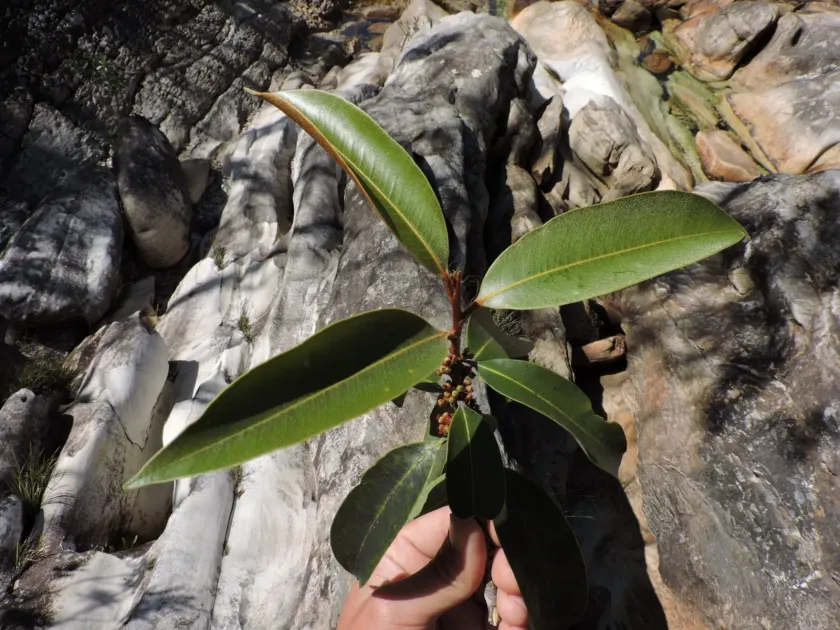
Description
Growing requirements
Micropholis guyanensis is a majestic evergreen tree belonging to the Sapotaceae family. It is native to the primary lowland rainforests of South and Central America, where it forms part of the dense canopy layer.
This species requires deep, fertile, and well-drained soils to thrive. It is highly intolerant of frost and dry periods, necessitating a tropical climate with consistent precipitation throughout the year.
In terms of cultivation, the tree prefers locations with stable high humidity and protection from harsh, direct winds that could damage its canopy. Regular access to ground nutrients is essential for healthy biomass accumulation.
Botanically, the tree is characterized by a sturdy trunk and glossy, leathery leaves designed to handle high solar radiation while minimizing water loss in the humid forest environment.
The primary economic application of this tree is its high-quality timber. Known for its durability and resistance to decay, the wood is highly valued in international markets for furniture and heavy construction.
Main diseases and pests
The health of the trees can be compromised by wood-boring insects which penetrate the trunk, causing significant structural damage to the timber quality over time.
Fungal diseases are a persistent threat, especially in areas where poor drainage leads to waterlogged conditions, promoting the growth of pathogens that cause root rot.
Aggressive parasitic vines often wrap around the main trunk, competing for sunlight and nutrients, which can stifle the development of younger specimens if left unmanaged.
Poor soil management leading to nutrient depletion or erosion can weaken the trees, making them susceptible to environmental stress and secondary pest infestations.
Integrated pest management strategies are crucial for large-scale plantations to identify early symptoms of decay and maintain the long-term viability of the tree population.