
Micropholis melinoniana
Micropholis melinoniana
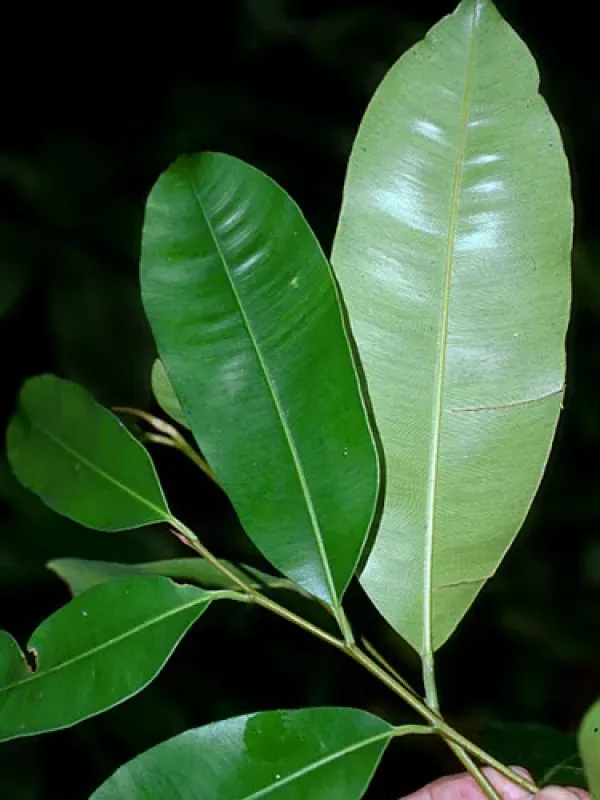
Description
Growing requirements
Micropholis melinoniana belongs to the Sapotaceae family, which is a diverse group of trees and shrubs mainly distributed in tropical and subtropical regions across the globe.
This species is native to the rainforests of South America, specifically in regions with high precipitation and consistent tropical temperatures that support dense forest vegetation throughout the year.
Regarding soil requirements, this plant thrives in deep, well-draining soils that are rich in organic matter. It is highly intolerant of waterlogged conditions and requires a substrate that allows for deep root penetration.
The microclimate plays a crucial role in its growth. It prefers humid environments where relative air humidity remains high, which prevents desiccation of the foliage and supports physiological stability.
In silvicultural practices, site selection is critical. The cultivation of this tree often involves managing light availability during the juvenile phase to ensure the saplings establish successfully under canopy conditions.
Harvesting
The primary economic use of Micropholis melinoniana is associated with its high-quality timber. The wood is prized for its physical density and inherent durability against decay, making it suitable for high-end carpentry.
Timber harvesting operations follow sustainable forestry guidelines, focusing on selective logging practices to maintain forest structure and species diversity within its native range.
Processing the wood requires precision drying techniques to ensure the structural integrity of the lumber, as the density of the wood makes it prone to internal stresses during rapid moisture loss.
Applications for the harvested timber include fine furniture, architectural woodwork, and heavy construction components where strength and longevity are strictly required.
Management of the species also includes the protection of mature stands to ensure seed production, which is vital for the ongoing conservation and future availability of this specific tropical resource.