
Micropholis acutangula
Micropholis acutangula
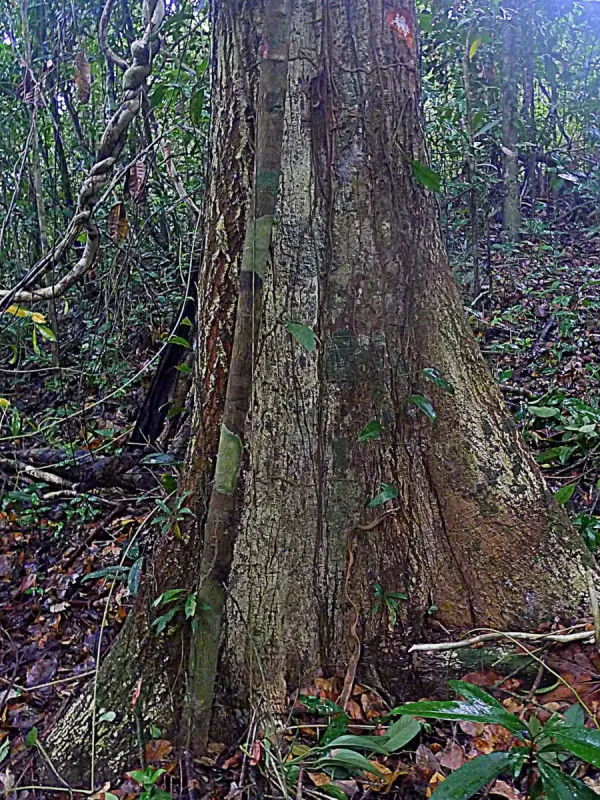
Description
Growing requirements
Micropholis acutangula belongs to the Sapotaceae family, a group of flowering plants well-known in tropical regions. It is an evergreen tree native to the South American rainforests.
The species thrives in deep, well-drained soils rich in organic matter. It demands high levels of atmospheric humidity and stable environmental conditions typical of the tropical zone.
Optimal growth occurs at temperatures ranging between 22°C and 28°C. While the tree can tolerate partial shade during its juvenile phase, mature specimens require significant exposure to sunlight.
In its natural habitat, the tree contributes to the complex structure of the forest canopy. It is sensitive to soil compaction and waterlogging, which can severely hinder its root development.
Agronomic management for this species focuses on maintaining forest health rather than intensive cultivation. Practices usually involve protecting the root zone and preserving the surrounding soil moisture balance.
Yield
The primary economic output of Micropholis acutangula is its high-density, durable timber. It is highly valued for fine woodworking and high-quality flooring applications.
The wood exhibits excellent mechanical properties, making it resistant to wear and tear. These features contribute to its commercial demand in international markets for sustainable wood products.
Sustainable forestry practices ensure that the harvest is conducted through selective logging. This approach preserves the ecosystem's integrity while providing a continuous supply of wood over long periods.
The yield is typically measured by the annual volume increment per hectare. Because the species grows relatively slowly, investment cycles are inherently long-term in nature.
Proper forest management ensures that the harvest remains within the limits of the forest's carrying capacity, supporting both economic growth and biodiversity conservation.
Main diseases and pests
Deforestation and habitat loss represent the most significant threats to the species' long-term survival. Fragmentation of forests isolates populations and reduces genetic diversity.
Wood-boring insects (xylophagous pests) can pose a risk to the health of the trees, particularly in plantations where biodiversity is low. Regular monitoring is essential to prevent infestations.
Fungal pathogens associated with root rot can emerge if soil aeration is compromised. Ensuring effective drainage is the most critical preventative measure against these threats.
Changes in local climate patterns, such as prolonged droughts, can stress the trees and make them more susceptible to opportunistic diseases and pests.
Integrated pest management strategies are preferred over chemical treatments to maintain the ecological balance of the forest environment where Micropholis acutangula grows.