
Micropholis venulosa
Micropholis venulosa
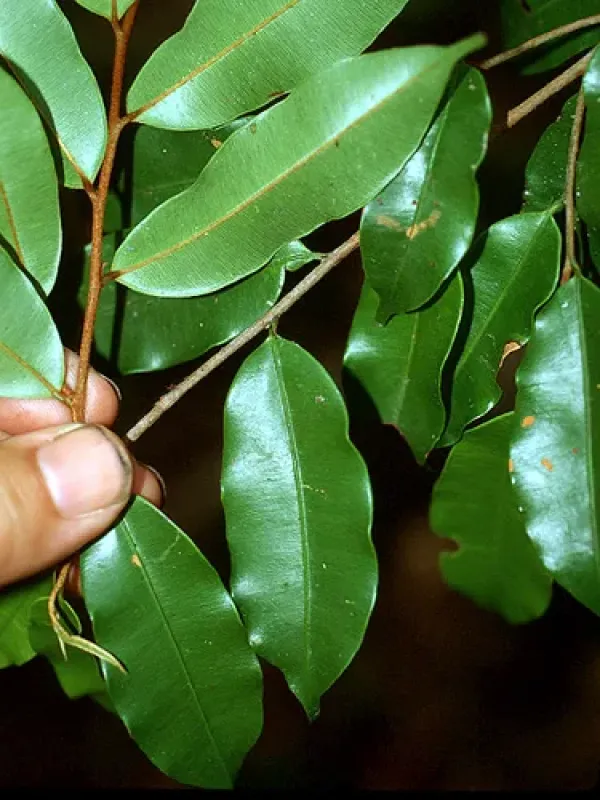
Description
Growing requirements
Micropholis venulosa is an evergreen tree belonging to the Sapotaceae family. It is native to the tropical rainforests of Central and South America, where it thrives in the understory and canopy layers.
The crop requires fertile, well-drained soils rich in organic matter to reach its full growth potential. Proper drainage is essential to prevent root rot, as the species does not tolerate waterlogged conditions.
Climatic requirements are strict: the tree demands tropical heat and high humidity throughout the entire year. It is highly sensitive to cold temperatures and cannot survive in frost-prone regions.
Botanically, the species is recognized by its dense, coriaceous leaves with a distinct venation pattern. The tree grows relatively slowly, reflecting its adaptation to a competitive rainforest environment.
In its natural habitat, it acts as a keystone species, providing essential food resources in the form of fruits for various birds, insects, and small mammals that inhabit the tropical ecosystem.
Harvesting
The primary economic use of Micropholis venulosa is its timber. The wood is prized for its high density and strength, making it suitable for high-end construction and furniture production.
Harvesting practices must align with sustainable forest management protocols. Due to the slow growth rate of the species, selective logging is the preferred method to maintain population levels.
Processing the timber requires careful drying techniques to ensure the structural integrity of the wood. The high density of the grain requires specialized machinery for industrial wood working.
Although the fruit is edible, it is primarily harvested for local subsistence rather than large-scale commercial production. It remains a minor forest product in regional markets.
Future research into the species focuses on sustainable yield optimization and the potential pharmaceutical applications of compounds extracted from the bark and fruits of the Sapotaceae family.