
Naringi crenulata
Naringi crenulata
Description
Growing requirements
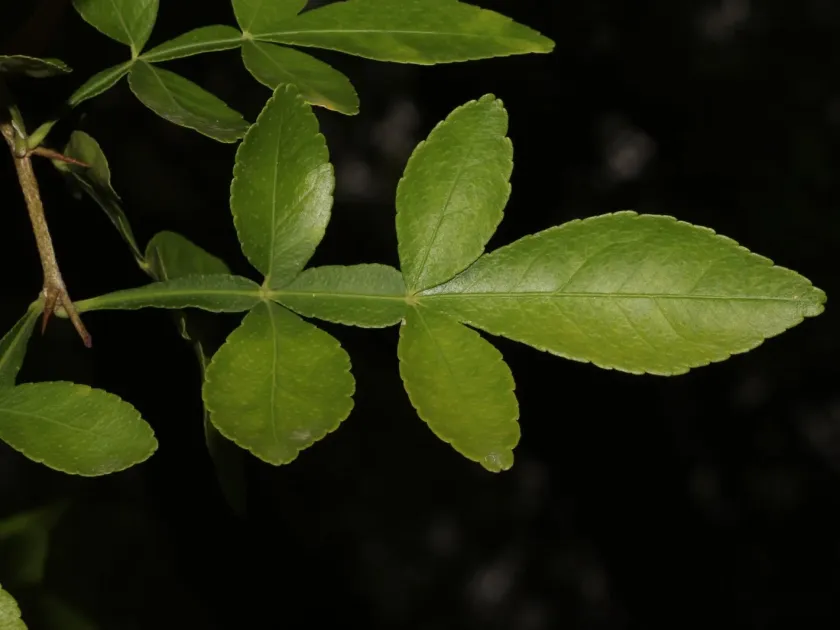
Naringi crenulata, a member of the Rutaceae family, is an evergreen shrub or small tree native to the tropical and subtropical regions of Southeast Asia. It is scientifically distinguished by its thorny branches and pinnate leaves, which place it in the broader category of citrus-related flora.
The plant thrives in warm, humid climates and is highly sensitive to frost. Because of its tropical origin, it requires consistent temperatures throughout the year to maintain its metabolic processes and growth cycles effectively.
In terms of soil requirements, Naringi crenulata prefers well-drained, fertile loams with a slightly acidic to neutral pH level. Proper aeration of the root system is essential, as the plant is susceptible to root rot if grown in heavy, waterlogged soils.
The agronomic management of this species involves providing adequate sunlight, as shade-grown specimens often show reduced vigor and lower productivity. In cooler latitudes, greenhouse cultivation is mandatory to ensure the plant survives the winter months.
Regular fertilization with a balanced mix of nitrogen, phosphorus, and potassium is recommended during the peak growing season. This helps support the development of its dense canopy and ensures that the plant remains healthy and productive over time.
Yield
Naringi crenulata has significant utility in agriculture primarily as a rootstock for various citrus cultivars. Its inherent hardiness and resistance to certain soil-borne pathogens make it a valuable resource for citrus breeding programs and grafting operations.
The fruit of the plant is edible, though not widely cultivated for massive commercial production. Local communities often harvest it for traditional culinary uses, valuing its unique acidic profile and aromatic properties that distinguish it from mainstream citrus.
The wood of Naringi is noted for its high density and durability, leading to its traditional use in crafting small tools and artisanal wooden objects. While not a source of major timber, it holds value in regions where the species is naturally abundant.
Beyond its productive utility, the plant is increasingly recognized for its ornamental potential. Due to its dense growth and protective thorns, it serves as an excellent candidate for impenetrable live fencing or hedges in tropical landscape design.
In terms of agricultural yield, the plant can produce a consistent harvest of fruits when grown under optimal conditions. Managing the density of the canopy and irrigation schedules is critical to maximizing the output of viable fruits from each tree.
Main diseases and pests
Fungal infections, particularly root rot and anthracnose, represent the primary disease threats to Naringi crenulata. These pathogens are typically encouraged by excessive moisture and poor air circulation within the canopy of the plant.
Pests such as citrus whiteflies, aphids, and scale insects are common adversaries. These insects feed on the sap of the plant, potentially causing defoliation and transmitting viral diseases that can weaken the overall structure of the shrub.
Integrated pest management is recommended to mitigate the damage caused by these insects. This includes the use of horticultural oils, specific systemic insecticides, and the encouragement of natural predators within the growing environment.
Soil-borne nematodes can also jeopardize the health of the root system. Pre-planting soil sterilization or the application of organic amendments is often used to ensure the soil environment remains unfavorable for these microscopic parasites.
Maintaining a clean growing environment and monitoring for early signs of disease are essential for the long-term success of the crop. Regular pruning to improve air movement through the branches is one of the most effective preventive measures against fungal growth.