
Galipea officinalis
Galipea officinalis
Description
Growing requirements
Galipea officinalis is a distinctive evergreen tree belonging to the Rutaceae family. Native to the tropical rainforests of South America, particularly in the Orinoco region of Venezuela and Colombia, this plant thrives in warm and humid environments.
The climate requirements for this species are strict, necessitating a tropical or near-tropical setting. It requires consistent temperatures throughout the year and high humidity levels, as it is naturally adapted to sheltered environments under a dense forest canopy.
Soil quality is paramount for the healthy growth of Galipea officinalis. It demands nutrient-rich, well-draining soil with a slightly acidic profile. Waterlogged conditions must be avoided at all costs, as the roots are highly susceptible to decay in stagnant water.
Light management is a critical aspect of agricultural practice for this species. While it requires light to fuel photosynthesis, direct and intense solar radiation can damage the foliage of younger plants, making partial shade an essential requirement for plantation management.
Effective agrotechnical practices involve consistent monitoring of plant health and moisture levels. While the tree is quite hardy once established, periodic fertilization with organic matter ensures the vigorous development required for optimal bark production over time.
Harvesting
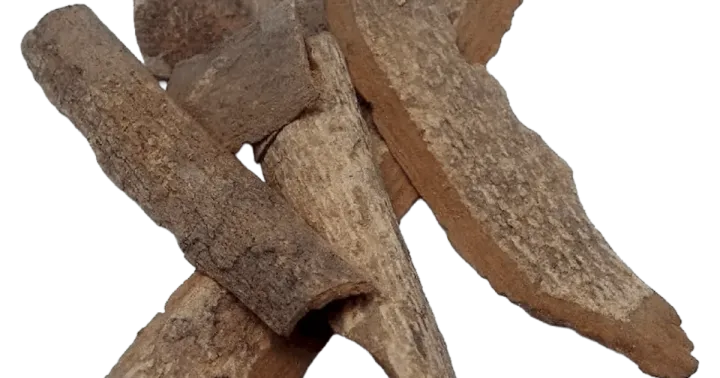
The primary economic value of Galipea officinalis lies in its bark, commercially known as Angostura bark. This bark is rich in bitter alkaloids and chemical compounds that have been utilized for centuries, particularly in the production of medicinal tinctures.
Harvesting the bark is a delicate process that requires specialized knowledge. It involves carefully stripping the outer layers of the bark from the trunks and branches of mature trees, ensuring that the vascular system remains intact to allow for regrowth.
Post-harvest processing is crucial to the quality of the end product. The bark is air-dried in specialized, shaded facilities to preserve its volatile aromatic compounds and medicinal alkaloids, which are highly sensitive to improper moisture and temperature levels.
The food and beverage industry remains the largest consumer of Angostura bark. It serves as a vital botanical component in the production of complex, bitter-style aromatic cocktail ingredients and liqueurs, prized for their unique depth of flavor.
Beyond its culinary fame, the plant is researched for its pharmacological benefits. Its historical usage as an antipyretic and digestive aid continues to inspire studies into its chemical potential for developing standardized extracts for modern pharmaceutical applications.