
Balfourodendron riedelianum
Balfourodendron riedelianum
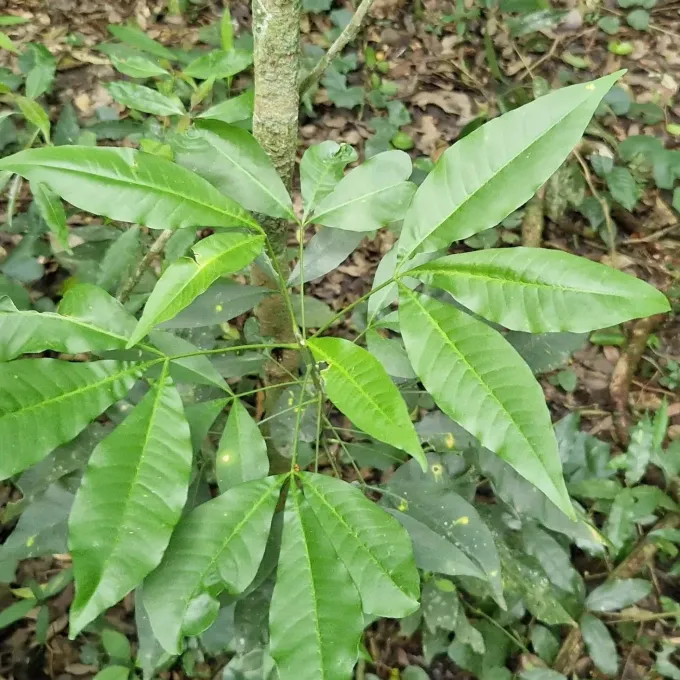
Description
Sowing dates
Propagation of Balfourodendron riedelianum typically begins with seed sowing in nursery conditions. Seeds should be collected from healthy, mature trees to ensure high germination rates.
The optimal time for sowing is at the onset of the rainy season. Seeds are planted in a well-draining medium to prevent rot while maintaining consistent moisture levels needed for germination.
Seedlings are maintained in nursery beds or pots until they reach a robust size, usually about 30 to 40 centimeters in height, before being transplanted to their final location.
Spacing between trees is essential to ensure adequate airflow and sunlight penetration. In plantation settings, a structured layout helps maximize the growth potential of each individual tree.
Early care involves weed management around the base of the saplings. This minimizes resource competition and allows the tree to focus its energy on vertical growth during the critical establishment phase.
Growing requirements
Balfourodendron riedelianum belongs to the Rutaceae family and is native to the subtropical and tropical forests of South America, including regions of Brazil and Argentina.
The species requires deep, fertile, and well-drained soils to thrive. It is particularly sensitive to waterlogging, making soil selection a critical factor for successful cultivation.
As a light-demanding species, it prefers full sun exposure to develop a straight and high-quality trunk. Insufficient light can lead to stunted growth and lateral branching, reducing timber value.
Climate requirements include a warm environment with a distinct wet season. It is not frost-tolerant, limiting its cultivation range to regions with stable, warm temperatures year-round.
Regular maintenance, including pruning, is recommended to manage the canopy structure. This practice promotes the formation of a clear bole, which is essential for high-quality wood production.
Yield
The primary product of this culture is its valuable wood, traded commercially as "palo-marfim" (ivory wood). It is highly sought after for its density, fine grain, and aesthetic light color.
Palo-marfim is widely used in the furniture industry, high-end flooring, and decorative cabinetry due to its strength and ability to take a smooth, polished finish.
The time to harvest varies depending on site conditions, but it generally takes several decades for the trees to reach technical maturity. This requires long-term planning for forestry operations.
Besides timber, the tree is often integrated into landscape projects. Its ornamental value and ability to fit into native forest restoration programs provide secondary benefits to landowners.
Sustainable harvest practices ensure that the soil remains productive for future cycles. This includes minimizing disturbance during the logging process to protect the remaining ecosystem.
Main diseases and pests
Leaf-eating insects are common threats to young plantations. Monitoring for signs of infestation is crucial during the early stages of growth to prevent significant foliage loss.
Fungal diseases related to high humidity can affect the overall health of the trees. Ensuring adequate spacing and canopy management helps to mitigate these risks effectively.
Root rot remains a major concern in poorly drained soils. Avoiding the selection of low-lying, water-saturated land is the most effective preventative measure against this threat.
Integrated pest management strategies are encouraged to maintain the health of the trees without relying heavily on broad-spectrum chemicals, protecting local biodiversity.
Regular health check-ups for the plantation enable the early detection of localized disease outbreaks, allowing for targeted treatment rather than wholesale removal of trees.