
Bael
Aegle marmelos (L.) Corrêa
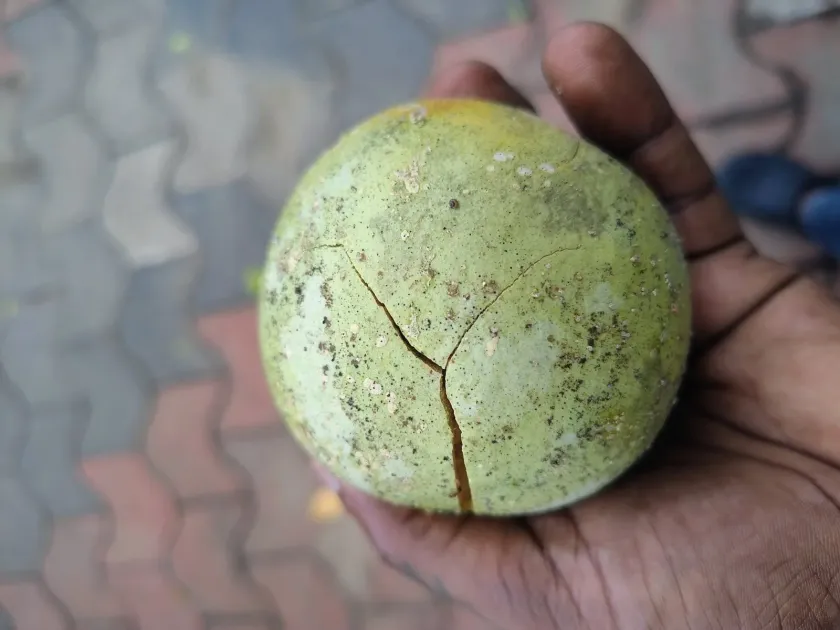
Description
Sowing dates
Propagation of Aegle marmelos in commercial settings is primarily achieved through seeds or vegetative methods such as budding. Seeds have a relatively short viability period and should be sown immediately after extraction from the fruit into a well-prepared seedbed.
The optimal time for sowing is just before the onset of the monsoon season, which ensures young seedlings receive sufficient moisture for root establishment. Nurseries utilize containers with well-drained soil, maintaining high air humidity to facilitate successful germination.
Transplanting to the permanent site is performed once the seedlings reach a height of 30–50 cm, typically one year after sowing. For vegetative propagation, budding is preferred as it preserves the desirable horticultural traits of the mother tree and accelerates the onset of fruit production.
When planning an orchard, a spacing of at least 6–8 meters between trees is essential to ensure adequate air circulation. Adhering to these planting specifications is crucial for preventing fungal diseases in the canopy.
Young trees require consistent irrigation during their first two to three years of growth until the root system has fully adapted to the environment. Providing shade to saplings in the initial months after field transplanting enhances their survival rate significantly.
Growing requirements
Aegle marmelos is a tropical deciduous tree belonging to the Rutaceae family, native to the dry forests of India and Southeast Asia. The crop demonstrates remarkable adaptability to various soil conditions, including stony, sandy, and heavy clay soils.
The plant is highly drought-tolerant and capable of enduring extreme temperatures, making it a promising crop for arid regions. The optimal temperature range for robust growth is between 20 and 35 degrees Celsius.
The tree is sensitive to soil pH levels, with neutral to slightly alkaline soils providing the best environment when combined with good drainage. Waterlogging in the root zone can lead to root rot, making site selection with a low water table a priority.
Regarding light exposure, the species is a heliophyte and requires direct sunlight for proper fruit development. Excessive shading results in stunted canopy growth and a significant reduction in overall yield.
The crop also exhibits resistance to periodic flooding, allowing it to be cultivated in regions with distinct monsoon climates. Nevertheless, moderate soil moisture is required during the fruit-set period to ensure a high-quality marketable harvest.
Yield
The onset of fruiting depends on the propagation method: seed-grown trees typically begin bearing fruit within 6–8 years, whereas grafted plants produce within 3–4 years post-planting. Productivity increases substantially as the tree matures.
A mature, healthy tree aged 10–15 years can produce between 100 and 200 fruits per season. Yield is heavily influenced by agronomic practices, such as balanced fertilizer application and judicious pruning to thin the canopy.
Bael fruits possess a hard, woody shell enclosing an aromatic, sweet, or sweet-sour pulp. They serve as a valuable raw material for the food processing and pharmaceutical industries due to their high concentration of pectins and bioactive compounds.
Applying fertilizers rich in nitrogen, phosphorus, and potassium at the start of the growth cycle promotes larger fruit size and overall biomass. Foliar application of micronutrients can be beneficial during the ripening phase to prevent premature fruit drop.
Average yields per hectare in commercial plantations vary widely depending on the variety and specific climatic conditions. With standardized agronomic techniques, the crop provides a stable and economically viable output for farmers.
Main diseases and pests
The primary threats to this crop involve fungal infections of leaves and fruits during high humidity periods. Leaf spot, often caused by Pseudocercospora species, is a common issue that can lead to premature defoliation if left untreated.
Pests such as fruit flies and various scale insects can compromise harvest quality by damaging the peel and weakening the tree. The use of pheromone traps and regular orchard inspections are effective methods for monitoring and controlling insect populations.
Root rot, induced by Fusarium-type pathogens, presents a serious threat to young saplings when irrigation regimes are poorly managed. Prevention involves maintaining optimal soil structure and preventing standing water in the planting area.
For disease management, it is recommended to perform sanitary pruning of infected branches and disinfect cut surfaces with specialized pastes. Utilizing biological control methods is often preferred over chemical applications to maintain the ecological integrity of the produce.
Monitoring the plantation at the start of the rainy season is a mandatory agronomic practice to prevent the spread of diseases. Regular removal of weeds from the tree base reduces the risk of infection and promotes the presence of natural entomophages.
Harvesting
Harvesting Bael fruit requires caution, as the hard woody shell is susceptible to damage upon impact. The fruits are harvested by hand, using pruning shears to cut them from the stem rather than pulling them.
Maturity is determined by a change in peel color from green to yellow-brown or by the distinct, intensifying aroma that characterizes a fully ripe fruit. Unripe fruits are too hard for fresh consumption but are frequently used in medicinal extracts.
After harvest, fruits may require a short curing period if picked slightly early. Storage is feasible in cool, well-ventilated areas, which helps preserve the commercial quality of the fruit for several weeks.
The harvest season typically occurs between March and May, depending on the latitude and local climate. It is crucial to avoid mechanical impact on the peel during transportation to prevent internal bruising and rapid spoilage of the pulp.
Primary processing involves dusting and sorting by size. Any fruits showing signs of decay or mechanical trauma must be immediately removed from the batch to prevent the spread of fungal spores to the healthy stock.