
Serissa japonica
Serissa japonica
Description
Growing requirements
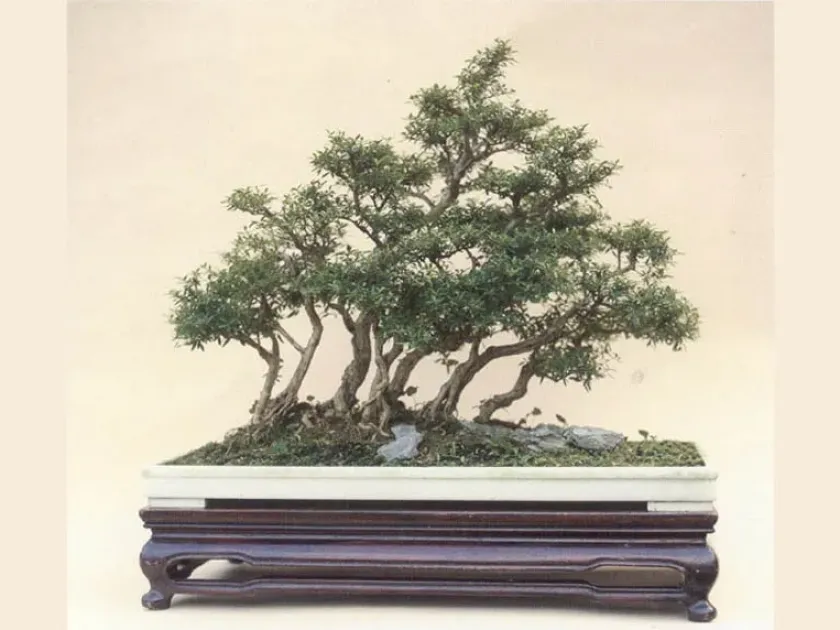
Serissa japonica is a small evergreen shrub belonging to the Rubiaceae family. Known commonly as the snowrose or tree of a thousand stars, it is native to open subtropical woodlands in Southeast Asia, specifically Japan, China, and Vietnam.
The plant requires a stable environment with plenty of indirect sunlight. While it thrives in bright conditions, it must be protected from direct, scorching sun during the peak of summer, which can cause severe foliage damage and dehydration.
Temperature management is critical for this species. It prefers a consistent temperature range between 18 and 25 degrees Celsius and cannot tolerate frost or sudden cold drafts, which will inevitably lead to the plant dropping its leaves as a stress response.
The soil must be well-draining to prevent root rot, which is a major risk for this species. A mixture of loam, peat, and coarse sand or perlite creates an ideal medium that holds sufficient moisture while allowing excess water to escape efficiently.
Regular maintenance involves keeping the soil consistently moist but never waterlogged. During the growing season, the plant benefits from balanced liquid fertilizers, although application should be reduced significantly during the winter months.
Main diseases and pests
Common pests affecting Serissa japonica include aphids, spider mites, and mealybugs. These insects thrive in dry indoor air, making regular misting and careful inspection of the undersides of the leaves essential parts of the plant's health routine.
Root rot is the most significant disease, usually caused by overwatering or poor drainage systems. When symptoms like yellowing leaves or wilting appear, it is imperative to inspect the root system and replace the soil with a fresh, sterile substrate.