
Sherbournia bignoniifolia
Sherbournia bignoniifolia
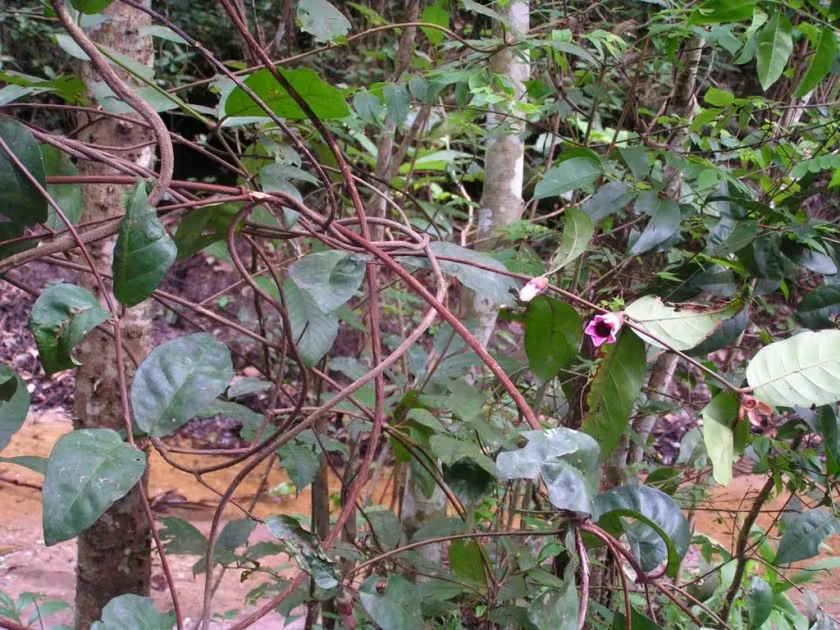
Description
Growing requirements
Sherbournia bignoniifolia belongs to the Rubiaceae family. This evergreen shrub is highly valued for its unique, trumpet-shaped flowers that bear a striking resemblance to the Bignonia species.
The plant is native to the tropical regions of Africa. In its natural habitat, it thrives in the understory of moist tropical forests, requiring filtered sunlight and protection from harsh direct UV rays.
Successful cultivation depends on maintaining high ambient temperatures. Because it is a tropical species, it cannot survive frost and is typically grown in greenhouses or as a high-maintenance indoor plant.
The soil should be nutrient-rich, airy, and well-draining. A mix consisting of peat moss, pine bark, and perlite helps maintain the slightly acidic pH level preferred by this species for optimal nutrient uptake.
Agricultural practices involve regular misting to maintain humidity levels above 60% and consistent watering. During the blooming season, applying a balanced fertilizer will encourage continuous and healthy flower production.
Main diseases and pests
Common indoor pests such as spider mites and scale insects are the primary threats to Sherbournia bignoniifolia, especially when the indoor air is too dry during winter months.
Root rot is a significant danger if the plant is overwatered or if the drainage system is inadequate, leading to stagnant water around the root ball and potential fungal colonization.
Mealybugs can often be found in the leaf axils, creating a cottony appearance and weakening the plant by draining its sap, which eventually causes yellowing and leaf drop.
Chlorosis, or yellowing of the leaves, frequently occurs when the water used for irrigation is too hard or when the soil pH rises, preventing the plant from absorbing iron and manganese.
Preventative care includes periodic cleansing of the foliage, monitoring soil moisture levels, and implementing systematic pest management strategies using organic or chemical insecticidal soaps.