
Pyrostria orbicularis
Pyrostria orbicularis
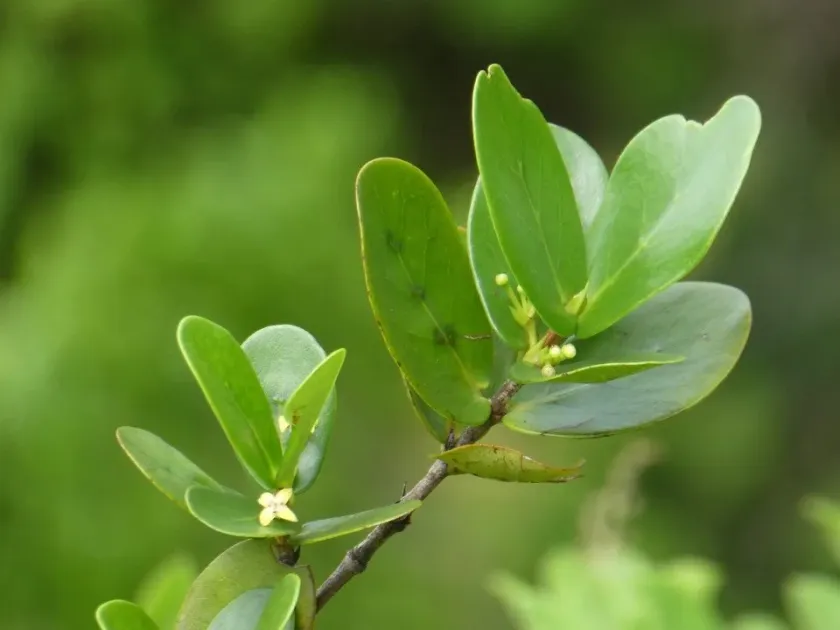
Description
Sowing dates
Sowing Pyrostria orbicularis is best timed with the arrival of the wet season, reflecting its natural tropical habitat requirements.
Seeds should be planted immediately after harvest because they have a short lifespan and lose viability quickly if allowed to dry out.
Maintaining a temperature range of 25 to 28 degrees Celsius is essential for ensuring a successful germination process for these tropical seeds.
The seeds should be covered with a thin layer of substrate, roughly one centimeter deep, to balance protection and oxygen availability.
Using a high-quality, sterile potting mix helps prevent early seedling rot and promotes the development of a strong initial root system.
Growing requirements
Pyrostria orbicularis is a member of the Rubiaceae family and is native to the specific microclimates found within the forests of Mauritius.
The plant thrives in high-humidity environments, requiring consistent levels of 70-80% to maintain its dense, glossy foliage throughout the year.
A well-draining, nutrient-rich, and slightly acidic soil composition is critical to mimic the organic-heavy forest floor of its origin.
Providing filtered or dappled sunlight is vital, as intense direct sun exposure will cause significant leaf scorching and stress to the plant.
Watering schedules must be carefully managed to keep the soil consistently moist without creating waterlogged conditions that lead to root distress.
Yield
The yield potential of Pyrostria orbicularis is primarily studied in botanical garden settings rather than large-scale commercial farming.
As the plant matures, it produces small, characteristic drupes that are the primary focus of its agricultural or decorative harvest.
Consistent annual yields are dependent on maintaining stable environmental conditions and ensuring the tree is free from nutrient deficiencies.
Research into the biomass and fruit composition of this species suggests potential niche uses in specialized botanical product industries.
Harvesting strategies are largely manual, requiring a gentle approach to protect the delicate outer layer of the ripening fruit drupes.
Main diseases and pests
Fungal pathogens represent the most significant threat to the health of the plant, especially in greenhouses with poor air circulation.
Common pests such as scale insects and mealybugs often target new growth, causing stunted development and leaf yellowing.
Root rot, often caused by overwatering or poor drainage systems, is a major killer of this species in captive cultivation environments.
Integrated pest management strategies are recommended, focusing on early detection and the use of natural predators to control insect populations.
Regular sanitation of the plant canopy, including the removal of dead or diseased leaves, is necessary to minimize the risk of bacterial spread.
Harvesting
The harvest period is determined by observing the color changes of the fruit, indicating that the drupes have reached full maturity.
Harvesting is ideally conducted during the cool early hours of the day to reduce metabolic stress on the fruit and maintain post-harvest quality.
Immediately after collection, fruits must be kept in a ventilated, cool environment to prevent premature decay and preserve their structural integrity.
Careful grading of the harvested crop is required to remove damaged or unripe fruits that would not withstand the shipping process.
Proper post-harvest storage involves using breathable containers to avoid the accumulation of ethylene gas and moisture buildup around the fruit.