
Pterogaillonia calycoptera
Pterogaillonia calycoptera
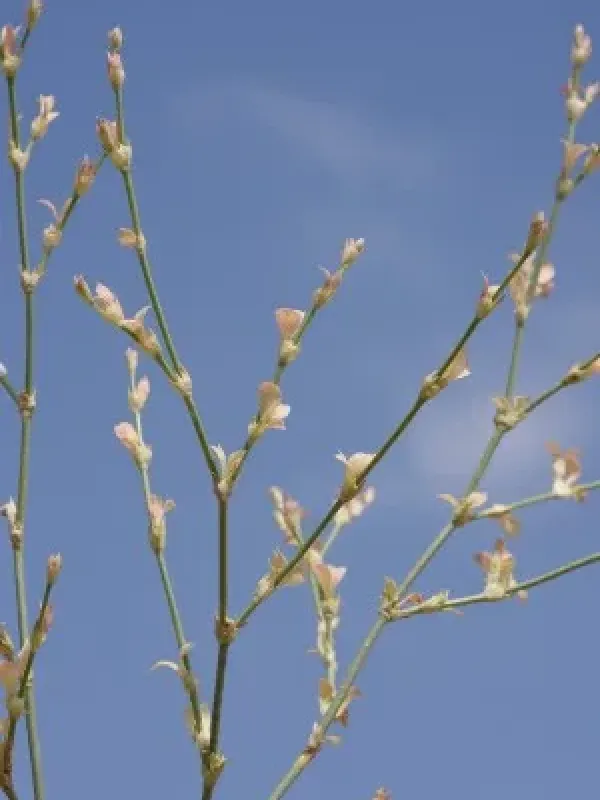
Description
Sowing dates
Pterogaillonia calycoptera is a hardy member of the Amaranthaceae family, biologically adapted to survive in harsh arid environments.
The sowing period is typically initiated following the first seasonal rainfall, ensuring that the soil retains sufficient moisture for seed germination.
Seeds should be planted in well-warmed soil, as cold temperatures during the early stages of growth can significantly stunt plant development.
A shallow sowing depth of 1 to 2 centimeters is optimal, allowing the seedlings to emerge efficiently without exhausting their initial nutrient reserves.
Cultivation in managed plots is best achieved through row sowing, which ensures proper plant density and facilitates easier management of the crop.
Growing requirements
This species is highly adaptable, thriving in soil conditions that are typically unsuitable for most crops, including sandy and saline desert soils.
The plant requires full sun exposure throughout the day, as any shading can negatively impact the metabolic rates and vegetative growth of the crop.
It possesses remarkable drought resistance, allowing it to maintain physiological functions even during prolonged dry spells typical of its habitat.
The thermal requirements are high, consistent with desert climates, where the plant has evolved to withstand extreme diurnal temperature fluctuations.
Good drainage is essential, as the plant is highly susceptible to root damage caused by water stagnation and poor aeration in the substrate.
Yield
The primary utility of Pterogaillonia calycoptera lies in its potential as a forage resource for livestock in desert regions with limited vegetation.
It plays a critical role in land reclamation projects, as its root system effectively binds loose soil and prevents desertification and erosion.
While the overall biomass yield is lower compared to intensive farming crops, its stability in arid conditions makes it a valuable asset for pasture improvement.
The plant's natural seed production is high, enabling it to self-propagate and maintain cover on degraded rangelands without constant human intervention.
Ongoing research focuses on optimizing its cultivation to improve the nutritional quality of the biomass produced for pastoral use.
Main diseases and pests
Pterogaillonia calycoptera is characterized by a high degree of natural resilience, suffering from few major diseases in its native environment.
Insect pests, particularly locusts, represent the most significant threat, as they can cause rapid defoliation if they swarm during the active growing season.
Fungal pathogens are rarely observed unless the plant is subjected to severe overwatering, which creates an environment conducive to root rot.
Overgrazing remains the primary threat to the sustainability of the crop, as excessive pressure prevents the plants from reaching reproductive maturity.
Effective management requires controlled grazing intervals to ensure that the plants have sufficient time to recover and set seeds for future cycles.
Harvesting
Harvesting of the vegetative biomass is best timed to coincide with the conclusion of the growing season to maximize nutrient content.
Due to the challenging terrain where the crop is typically grown, specialized harvesting equipment may be required to maintain operational efficiency.
Care must be taken during the collection of seeds, as the anatomical structure of the fruit facilitates easy dispersal by the wind once fully mature.
Harvested forage should be dried thoroughly in well-ventilated conditions to prevent any mold growth during storage periods.
Post-harvest management should prioritize the retention of some standing biomass to act as a buffer against soil erosion and to support local biodiversity.