
Knoxia corymbosa
Knoxia corymbosa
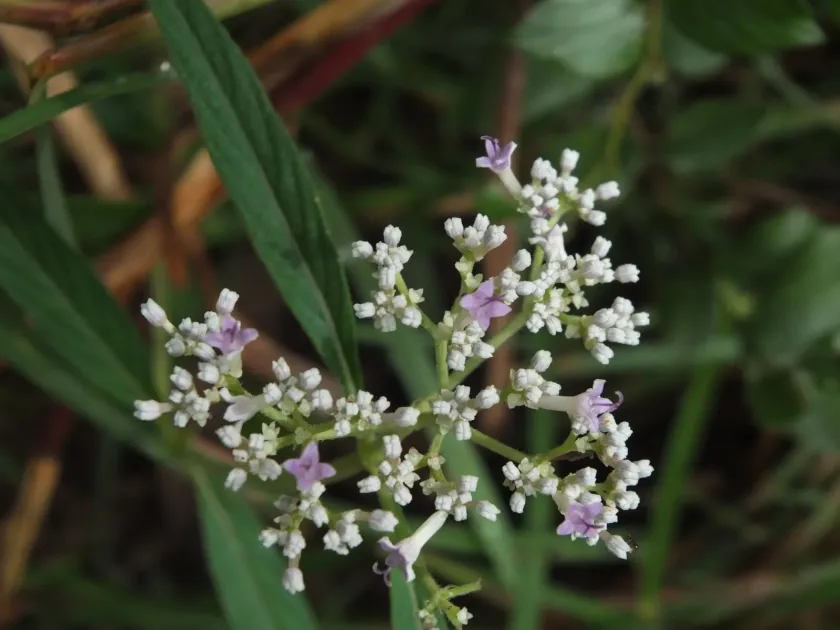
Description
Sowing dates
Knoxia corymbosa is a tropical crop that requires specific conditions for successful seed germination, primarily focusing on warmth and consistent moisture levels.
In its native tropical range, the sowing process is naturally synchronized with the arrival of the wet season, which provides the necessary hydration for seedlings.
When grown under agricultural settings, seeds are often started in greenhouse trays in late winter to ensure they are established before the outdoor temperatures peak.
Surface sowing is typically recommended as the seeds are quite small and require exposure to light for successful germination and early development.
Soil temperatures for optimal emergence should be maintained consistently between 20 and 25 degrees Celsius to encourage healthy and uniform seedling growth.
Growing requirements
As a member of the Rubiaceae family, this species thrives in climates that mirror tropical conditions, necessitating high temperatures and plenty of ambient light.
The crop requires fertile, well-draining soils with a neutral or slightly acidic pH, as waterlogging can cause rapid root failure and decline in plant vigor.
Agronomic management involves providing supplemental nutrients during the peak vegetative phase, which enhances biomass accumulation and secondary metabolite production.
Adequate ventilation is crucial in greenhouse environments to prevent the buildup of humidity, which can otherwise lead to an array of foliage and root diseases.
Strategic placement in areas with maximum light exposure is necessary, though young plants may benefit from light shading during the hottest hours of the day.
Yield
Yield metrics for Knoxia corymbosa are largely determined by the intensity of light management and the precision of the fertilization schedule throughout the season.
The goal of production is to maximize the accumulation of pharmacological compounds, which requires specific harvest timing synchronized with the plant's flowering phase.
Implementing modern agronomic practices can significantly increase the total biomass output, allowing for multiple harvests per year in controlled environments.
Efficiency is further improved by regular crop monitoring, ensuring that any fluctuations in health are corrected before they impact the overall seasonal output.
Proper density management on the plantation ensures that each plant receives sufficient resources, resulting in a higher quality of harvested raw material.
Main diseases and pests
The plant is susceptible to various fungal pathogens when humidity levels are not properly managed, often leading to leaf spotting and localized tissue necrosis.
Root rots are among the most dangerous threats in poorly drained soils, requiring the grower to strictly regulate watering cycles to maintain soil health.
Common agricultural pests such as spider mites and aphids are known to target the foliage, necessitating proactive monitoring and integrated pest management.
Biological control agents are often preferred over synthetic pesticides to ensure that the final medicinal product remains free of harmful chemical residues.
General farm hygiene, including the removal of dead plant material and weeding, plays a significant role in reducing the pressure from opportunistic diseases.
Harvesting
Harvesting is traditionally performed during the peak flowering stage to capture the highest concentration of bioactive compounds within the aerial parts of the plant.
Manual or mechanized harvesting techniques must be calibrated to avoid damaging the stems and to ensure that the collected raw material remains clean and uniform.
Immediate post-harvest processing is vital to prevent spoilage, involving the removal of foreign debris and rapid transition to the drying facilities.
The drying process is conducted at controlled, moderate temperatures to preserve the delicate chemical composition that makes the species economically valuable.
Once dried and processed, the material should be stored in climate-controlled environments to maintain potency and shelf-life for industrial or medicinal use.