
Hexasepalum sarmentosum
Hexasepalum sarmentosum
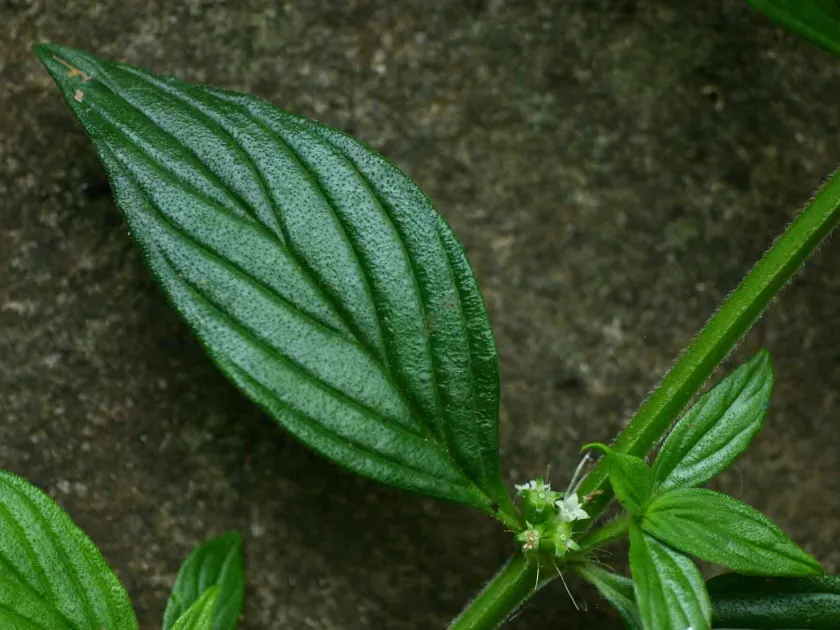
Description
Sowing dates
Hexasepalum sarmentosum is a member of the Rubiaceae family, recognized for its creeping growth habit and potential for use as a ground cover in various landscapes.
Seeding is typically performed in the spring, once soil temperatures have consistently reached the required levels for seed germination and seedling establishment.
Preparation of the planting site includes careful soil cultivation to ensure the bed is free of weeds and adequately aerated for root development.
For vegetative propagation, stem cuttings are highly effective, as the plant naturally roots at the nodes when in contact with moist soil surfaces.
Standard horticultural spacing is determined by the intended density, ensuring sufficient room for lateral spread while covering the desired area efficiently.
Growing requirements
This species thrives in well-drained soil types, preferring substrates that are enriched with organic matter to support vigorous vegetative growth throughout the season.
While the plant exhibits moderate sun tolerance, it benefits from partial shade in regions with extremely high summer temperatures to prevent leaf scorch.
Regular irrigation is essential, especially during the initial establishment phase and periods of prolonged drought, to maintain soil moisture levels.
Maintaining a soil pH within the slightly acidic to neutral range is generally recommended to ensure the optimal availability of essential plant nutrients.
Fertilization with a balanced nutrient ratio during the peak growth months helps maintain the plant's health and promotes dense foliage coverage.
Main diseases and pests
Common pathological threats include fungal pathogens that cause leaf spotting or root rot, particularly in environments with stagnant air or excessive soil moisture.
Cultural practices to prevent these threats include maintaining proper plant spacing and avoiding overhead irrigation during late hours of the day.
Pests such as snails and slugs can cause significant damage to the succulent foliage, particularly when environmental conditions remain damp and cool.
Insects like aphids may occasionally infest new shoots, necessitating periodic monitoring and, if necessary, the application of targeted pest management solutions.
Integrated pest management strategies are advised, prioritizing environmental safety and the removal of plant debris to reduce pest and disease pressure.